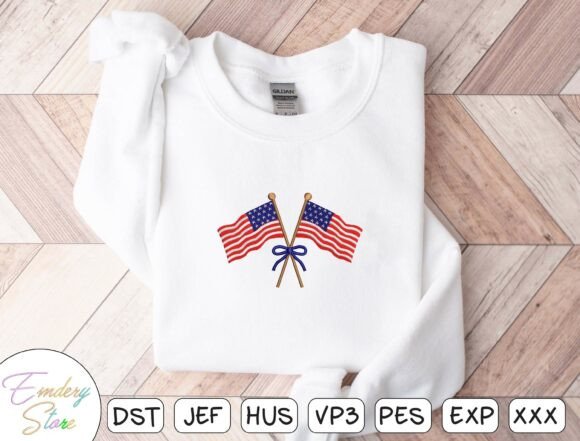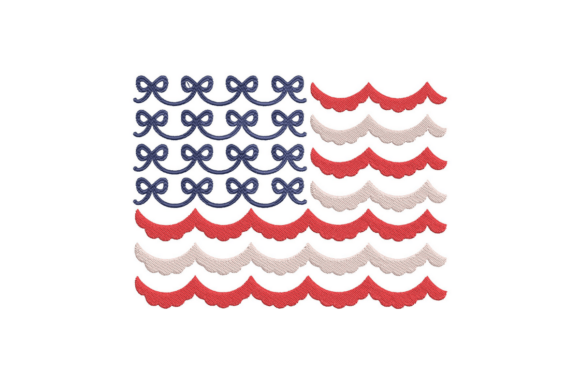
American Flag Embroidery Review for Seasonal Sales
As an embroidery designer who spends countless hours planning seasonal collections, I know that selecting the right design is not just about aesthetics; it is about strategy. When building a product line for major holidays like Independence Day or Memorial Day, every stitch needs to serve a purpose. Today, I am reviewing the American Flag embroidery design to determine its viability for our upcoming seasonal drop. This review focuses on how this specific digital file performs in real-world applications, from Etsy listings to craft fair displays, and whether it meets the high standards required for handmade gifts and commercial products.
First Impressions: Mood and Visual Impact
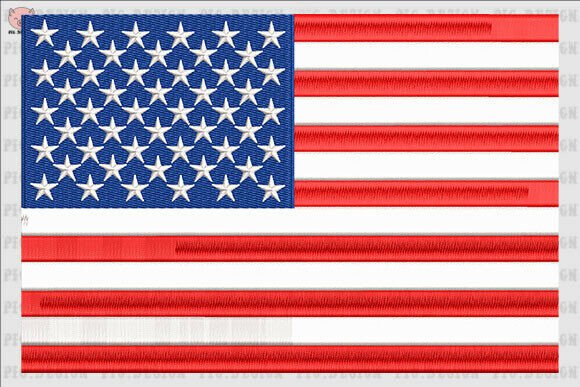
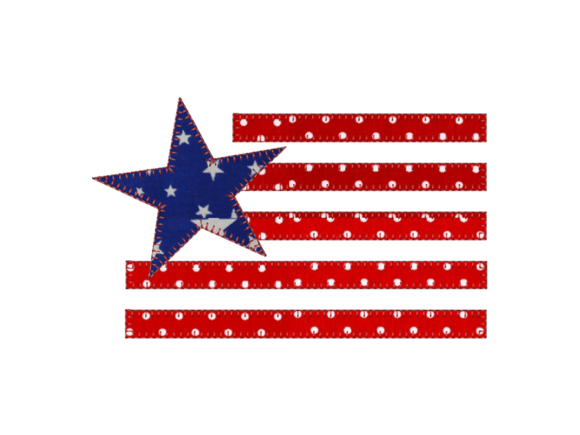
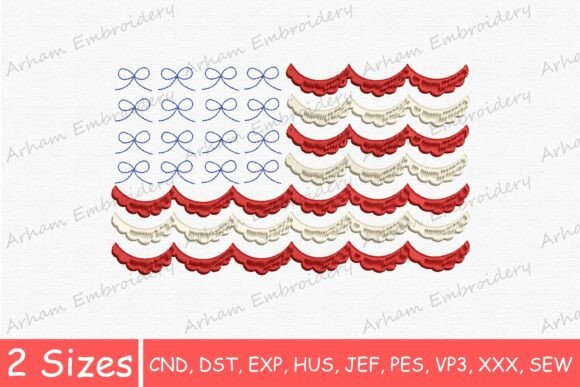
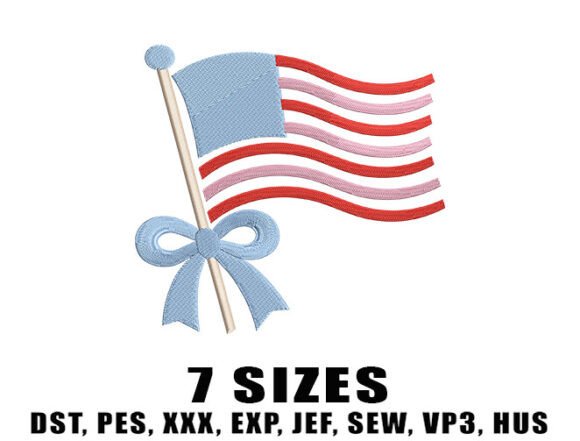
The moment you load the American Flag design into your software, the intent is clear. It is bold, timeless, and instantly recognizable. For a designer, this is both a blessing and a challenge. The emotional tone of this design is undeniably patriotic, evoking feelings of pride, nostalgia, and unity. Unlike subtle or abstract patterns, this design commands attention. It feels festive without being overly cluttered, making it versatile enough for various demographics.
In terms of decorative style, the design strikes a balance between classic Americana and modern simplicity. It does not rely on excessive frills or intricate lacework, which means it translates well across different fabric textures. Whether placed on a rugged canvas tote bag or a soft cotton kitchen towel, the visual recognition factor remains high. This clarity is crucial for holiday shoppers who are scanning social media previews and need to understand the product’s theme at a glance. The design feels premium rather than cheap, which directly impacts perceived value and customer trust during peak shopping periods.
Strategic Applications for Holiday Sellers
When planning a seasonal shop collection, versatility is key. The American Flag embroidery design offers numerous opportunities for product creation. Here is how it performs in practical selling situations:
- Sweatshirt Embroidery: For fall transitions or cooler summer evenings, placing this design on the chest or back of a heavyweight sweatshirt creates a cozy yet spirited look. It works exceptionally well for family matching items, where parents and children wear coordinated pieces to parades or gatherings.
- Tote Bag Design: A canvas tote featuring this motif is a staple for craft fairs. It serves as both a functional item and a walking advertisement. The sturdy nature of tote bags complements the bold lines of the flag, ensuring the design holds up against daily use.
- Kitchen Towel Embroidery: Home decor is a massive segment for holiday sales. A set of embroidered kitchen towels with this design appeals to homeowners looking to decorate their spaces for July 4th celebrations. It adds a touch of rustic charm to modern kitchens.
- Pillow Cover and Table Linens: For dining room settings, incorporating this design into pillow covers or table runners elevates the aesthetic of any gathering. It signals hospitality and celebration, making guests feel welcome.
- Embroidered Patch: Creating detachable patches allows customers to personalize jackets, backpacks, or hats. This trend is particularly strong among younger demographics and military appreciation groups.
- Baby Items and Aprons: Soft onesies or child-sized aprons with this design make for thoughtful personalized gifts. Parents often seek apparel that celebrates national holidays in a gentle, age-appropriate way.
By offering these varied options, you can create gift bundles that increase average order value. For example, pairing a sweatshirt with a matching kitchen towel creates a complete "home and body" package that looks great in printable mockups and encourages impulse buys.
Optimizing for Digital Marketing
In the digital marketplace, visuals sell. The clean lines of the American Flag design translate beautifully into digital embroidery files used for online listings. When creating product mockups, ensure the design is centered and scaled appropriately so that details remain visible on mobile devices. Social media engagement spikes during holiday seasons, and high-quality images of finished products using this design can drive significant traffic to your store. Furthermore, using consistent branding—such as matching thread colors to your shop’s color palette—helps build brand consistency and loyalty among repeat buyers.
Technical Considerations and Pitfalls
While the design is strong, there are areas where caution is necessary. As a professional, I advise testing this design carefully before mass production. Certain applications require specific adjustments to avoid common embroidery errors.
- Hoop Size and Stitch Density: Always verify the hoop size requirements. If the design is large, ensure your machine can handle the dimensions without shifting. Check the stitch density closely; too much stitching in a small area can cause puckering, especially on lightweight fabrics.
- Fabric Texture and Thickness: Thick towels or dark fabrics present unique challenges. On dark fabrics, light thread colors may get lost, reducing contrast. Test thread colors on both light and dark fabric samples to ensure visibility. Additionally, thick textures can obscure fine details, so consider simplifying the design if placing it on heavy materials.
- Metallic Thread and Stretchy Garments: Avoid using metallic thread unless you have advanced experience, as it can break frequently and damage the design. Similarly, be cautious with stretchy garments like spandex blends. Without proper stabilizer support, the design will distort when the fabric stretches. Use cut-away stabilizer for knits to maintain integrity.
- Small Details and Lettering: If the design includes text, ensure it is legible. Tiny lettering often becomes unreadable after washing. Review small details after stitching to confirm they hold up. If the design relies on very fine lines, it may not render well on curved caps or uneven surfaces.
Essential Pre-Production Steps
Before adding this to your inventory, follow these practical notes:
- Test Stitches: Run a test sample on the actual fabric you plan to sell. This reveals issues with tension, thread balance, and stabilizer choice.
- Confirm Licensing: Verify commercial licensing terms before selling finished seasonal products. Unauthorized use of designs can lead to legal issues.
- Plan Color Palettes: Select thread colors that complement the fabric. Traditional red, white, and blue is safe, but experimenting with navy or burgundy can offer a more sophisticated look for upscale markets.
- Check Stabilizer Usage: Proper stabilizer is non-negotiable for durable results. Hoop stability prevents shifting, which is critical for symmetrical designs like flags.
Conclusion: Is It Worth Adding?
The American Flag embroidery design is a powerful tool for any seasonal collection. Its strong emotional appeal, combined with its versatility across multiple product types, makes it a smart investment for Etsy sellers, small business owners, and crafters. By addressing technical challenges proactively and presenting the product through high-quality mockups, you can capitalize on the heightened demand during holiday shopping periods.
Remember to check specific details such as stitch count, file format, and exact hoop size provided by the creator, as these vary by file version. With careful preparation, this design can become a bestseller, helping you connect with customers who want to celebrate North American heritage in a meaningful, handmade way. Whether for military appreciation, Independence Day decor, or everyday patriotic pride, this design delivers on both aesthetic and commercial promises.