Plush Heart Cherries Embroidery Design Review
As an embroidery designer who has spent years turning digital concepts into tangible, tactile assets for small businesses, I approach every new design file with a mix of creative enthusiasm and practical scrutiny. When Plush Heart Cherries Embroidery Design landed on my desk, I didn’t just see cute clipart; I saw potential inventory. For Etsy sellers, boutique owners, and merch creators, the difference between a fleeting trend and a staple product lies in execution. This review breaks down how this specific design performs when moved from screen to needle, focusing on its viability for branded patches, apparel accents, and professional merchandise.
First Impressions: Visual Personality and Brand Fit
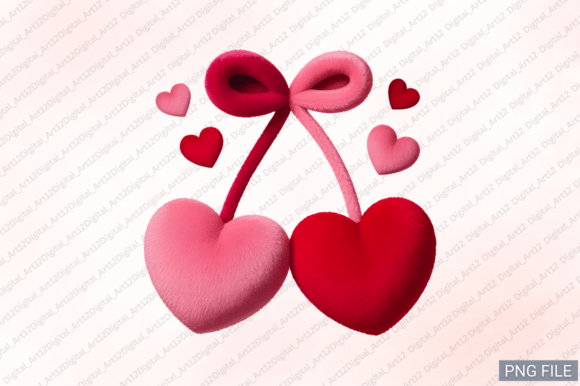
The title alone suggests a blend of warmth and whimsy. "Plush" implies texture and softness, while "Cherries" brings a pop of vibrant color and nostalgia. Combined with "Heart," the immediate visual personality is friendly, approachable, and slightly rustic. It feels handmade rather than corporate. For a small café, a florist, or a handmade bakery, this aesthetic aligns perfectly with brand identities that value authenticity and warmth.
However, the description notes that these designs are also great for those who love to spend time outdoors. This creates a slight tonal dissonance that designers must navigate. While cherries and hearts are indoor/cozy motifs, the outdoor connection suggests durability and activity. As a reviewer, I find that Plush Heart Cherries Embroidery Design works best when the "outdoor" aspect is interpreted through lifestyle branding—think picnic blankets, garden parties, or summer festivals—rather than technical hiking gear. The design feels premium and playful, making it ideal for customer gifts or light retail items where emotional connection drives sales.
Real-World Business Applications
In the world of commercial embroidery, versatility is king. Here is how Plush Heart Cherries Embroidery Design translates across various high-demand product categories:
- Embroidered Patches: This is perhaps the strongest use case. The distinct shapes of cherries and hearts lend themselves well to patch borders. A small business can produce these as iron-on or sew-on patches for denim jackets, tote bags, or backpacks. They serve as excellent add-on items at craft fairs or as loyalty rewards for regular customers.
- Apron Embroidery: For bakeries, cafes, and cooking classes, this design adds a charming accent to the chest pocket or hem of a white apron. It humanizes the staff and makes the uniform feel like part of the brand story rather than just functional wear.
- Cap Embroidery: Placed on the front panel of a structured cap, the compact nature of the heart and cherry motif ensures visibility without overwhelming the silhouette. It’s a subtle nod to the brand that appeals to a younger demographic.
- Tote Bag Design: Canvas totes are a staple for handmade brands. Embroidering this design offers a textural contrast to the rough fabric, elevating a basic item into a premium accessory. It signals quality to the buyer immediately.
- Product Packaging Accents: Beyond clothing, this design can be stitched onto gift tags or small pouches included in orders. This attention to detail significantly boosts unboxing experiences, encouraging social media shares and repeat purchases.
Strategic Considerations for Small Business Merch
When integrating Plush Heart Cherries Embroidery Design into your inventory, consider how it fits into your broader brand identity. If your shop sells rugged outdoor gear, this design might feel out of place. However, if you sell artisanal goods, beauty products, or cozy home wares, it reinforces a narrative of care and delight. It enhances customer trust by showing that you invest in high-quality, thoughtful details even in small items.
Technical Pitfalls and Where to Use Caution
Even the most beautiful design can fail if not executed correctly. Based on my experience with similar machine embroidery design files, there are several areas where Plush Heart Cherries Embroidery Design requires careful handling:
- Small Patch Sizes: If you plan to digitize or use this as a tiny logo (under 2 inches), fine details may merge together. Always test at the actual production size. Tiny lettering or intricate outlines often become illegible blobs when embroidered small.
- Curved Surfaces: Embroidering on the curved front of a cap or the sleeve of a shirt requires specialized hoops and stabilizers. Without proper tension control, the "plush" effect can look puffy and uneven, distorting the cherries' shape.
- High Stitch Density: If the design uses dense satin stitches for the heart outlines, it may create a stiff, plastic-like feel on delicate fabrics like linen or thin cotton. This can reduce comfort, especially on items worn close to the skin like t-shirts or aprons.
- Fabric Texture and Color: On dark uniforms, the thread colors must have sufficient contrast. On textured fabrics like heavy canvas or fleece, the needle may struggle to penetrate evenly, leading to skipped stitches. Always inspect the stitch density against your chosen material.
Designer Notes for Production Success
To ensure your final finished product looks professional, follow these essential steps before committing to bulk production:
- Test in Black and White: Convert the design to monochrome first. This helps you evaluate the balance and spacing without the distraction of color. If the composition doesn’t work in black and white, it won’t work in color.
- Check Thread Color Contrast: Ensure the chosen threads stand out against your base fabric. Muted tones on pastel backgrounds can disappear, while bright neons on dark fabric might look cheap unless intended for a specific streetwear aesthetic.
- Confirm Hoop Size: Verify that the design fits within your machine’s standard hoop dimensions. If it’s too large, you’ll need multiple hooping attempts, which increases the risk of misalignment and waste.
- Use Proper Stabilizer: The choice of stabilizer (cut-away vs. tear-away) depends on the fabric. For stretchy knits used in custom apparel, a cut-away stabilizer is crucial to prevent distortion over time.
- Create a Printable Mockup: Before stitching, generate a realistic mockup for client approval or marketing materials. This allows you to visualize how the design interacts with lighting and shadows, helping you refine the presentation for your Etsy branding or online store.
- Commercial Licensing: Finally, confirm that you have the correct commercial embroidery license. Many digital files sold as graphics or T-Shirt Designs are for personal use only. Using them for resale without permission can lead to serious legal issues.
Final Verdict
Plush Heart Cherries Embroidery Design is a versatile asset for any creator looking to add a touch of charm to their small business merch. Its friendly aesthetic makes it suitable for a wide range of industries, from food service to handmade crafts. By paying attention to technical details like stitch density, stabilizer choice, and licensing, you can transform this digital file into a profitable, high-quality physical product. It’s not just a decoration; it’s a strategic tool for building a memorable brand presence.