Usa Flag Embroidery Design Review
As a designer who has spent years evaluating digital assets for both personal craft projects and commercial small business lines, I approach every new download with a mix of excitement and skepticism. The market is saturated, and not every "flag" design translates well to the hoop. Today, I am putting the Usa Flag embroidery design through its paces. This isn't just about patriotic pride; it is about whether this specific file holds up under the scrutiny of real-world stitching, customer expectations, and the demands of a handmade brand.
First Impressions and Visual Personality
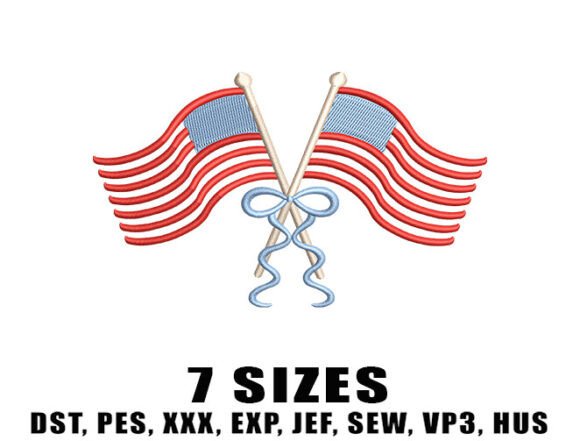
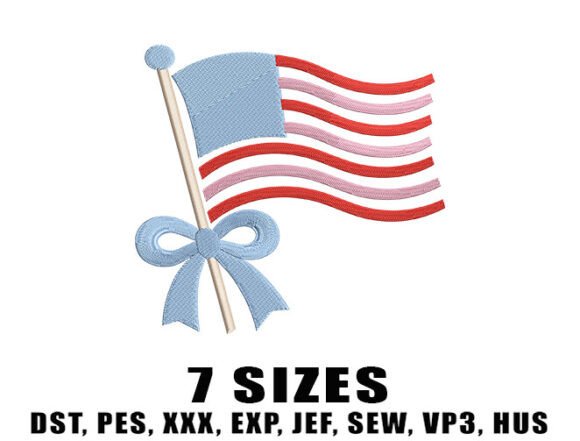
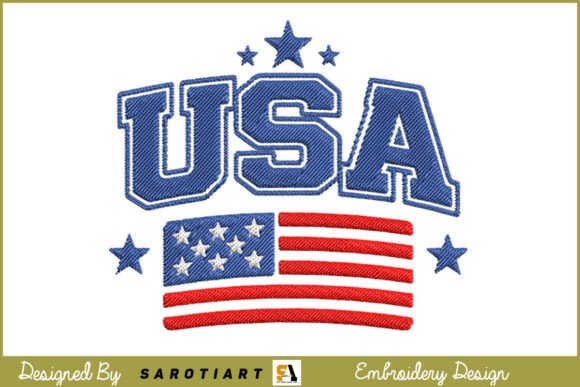
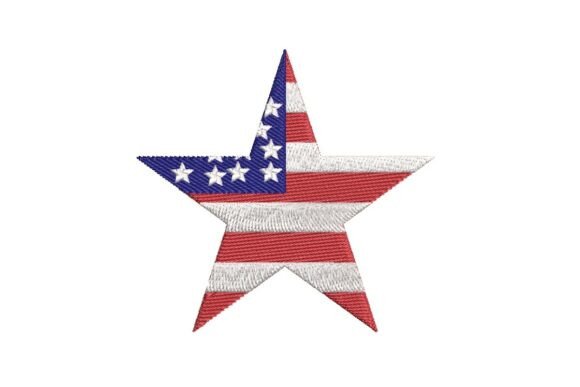
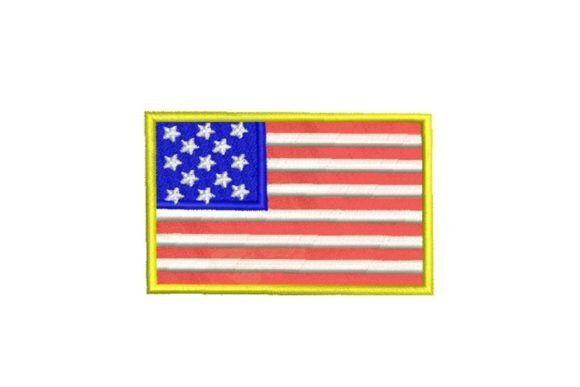
When you first open the Usa Flag file in your digitizing software, the immediate concern is always balance. A flag design can easily become too busy or, conversely, lose its iconic recognition if the details are overworked. My initial assessment of this design is that it strikes a confident, clean tone. It avoids the trap of excessive clutter, which is crucial for designs that will be stitched onto garments or accessories where other elements might compete for attention.
The visual personality here is classic but modernized enough to fit contemporary aesthetics. It feels ready for Independence Day collections, summer festivals, or even year-round Americana-themed merchandise. The layout suggests a design that respects the negative space, allowing the fabric texture to show through rather than competing with dense fills. For an Etsy seller or boutique owner, this clarity is vital. Customers buy with their eyes, and a design that looks crisp in a preview image usually stitches crisply on the finished product.
Real-World Application: The Custom Tote Bag Scenario
To truly judge an embroidery design, you have to imagine it on a physical object. Let’s look at a common scenario: creating a custom embroidered tote bag for a local farmers market or a summer pop-up shop. You want something that screams quality without looking like a cheap souvenir.
If I were placing the Usa Flag on a heavy canvas tote, I would position it centrally or slightly off-center on the front panel. Because this is a machine embroidery design, the stitch density needs to hold up against the friction of daily use. In my mental mockup, the flag stands out boldly against neutral tones like navy, cream, or olive green. It works beautifully as a standalone statement piece. However, if you plan to add text below it, such as "Handmade in USA" or a shop logo, you need to ensure the spacing allows the eye to rest between the graphic and the lettering. This design has enough visual weight to anchor a page, making it ideal for branded merchandise where you want instant recognition.
Apparel and Wearables
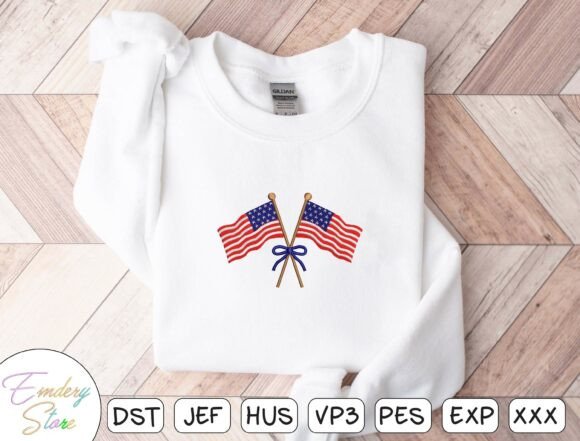
Moving beyond bags, let’s consider custom apparel. This embroidery file translates exceptionally well to sweatshirts and t-shirts. For a crewneck sweatshirt, the flag serves as a perfect chest-left placement. It adds a touch of personality without being overwhelming. On a t-shirt, it can work as a larger back print or a smaller left-chest accent. The key here is thread color contrast. If you are stitching on dark fabric, using high-contrast white or metallic threads will make the design pop, enhancing the perceived value of the garment. For baby clothes or nursery decor, a softer palette with pastel threads can soften the boldness of the flag, turning it into a gentle, personalized gift for a newborn.
Technical Performance and Stitch Quality
From a technical standpoint, the integrity of the Usa Flag depends heavily on how the digitizer handled the transition between different stitch types. A good flag design utilizes satin stitches for borders to give a clean edge and fill stitches for the body to create texture. Running stitches might be used sparingly for fine details, but they must be placed carefully to avoid puckering.
When reviewing the structure, pay close attention to the corners and edges. In many flag designs, the stars or stripes can become distorted if the underlay stitches are insufficient. This design appears to have a solid foundation, meaning it should lay flat after washing. For a small business owner selling finished products, durability is everything. A design that unravels or distorts after one wash cycle destroys customer trust. Testing this on scrap fabric before committing to expensive materials is non-negotiable.
Material Considerations
The success of this project also hinges on your choice of fabric. As noted in the description, this design works on "favorite American fabrics," which implies versatility. However, there are limits:
- Stable Fabrics: Cotton, linen, and denim are ideal. They provide the stability needed for the stitch density to sit correctly.
- Stretchy Fabrics: If you are working with jersey knits or spandex blends, you must use a strong stabilizer. Without proper support, the flag may warp or pull, ruining the geometric integrity of the design.
- Textured Fabrics: Be cautious with bouclé or heavy tweeds. The needle penetration might be difficult, and the background texture could interfere with the visibility of the thread colors.
Strategic Use Cases for Digital and Physical Products
Beyond standard apparel, this Usa Flag asset opens doors for diverse product lines. For the digital product seller, this design can be part of a bundle offered to other embroiderers. For the physical maker, it fits seamlessly into holiday collections.
Consider the embroidered patch market. This design scales well, making it suitable for iron-on or sew-on patches. Patches are high-margin items for craft fairs and online shops because they require less material and labor than full garments. Similarly, kitchen towels and aprons are excellent candidates. A flag motif on a tea towel or a chef's apron adds a functional yet decorative element that appeals to home cooks and gift buyers.
For those creating printable mockups, this design provides a versatile template. You can showcase it on various backgrounds to demonstrate its adaptability. Whether you are listing a digital embroidery file or a finished handmade product, the professional presentation of this design helps convey quality and attention to detail.
Practical Designer Notes Before You Stitch
Before you rush into production, keep these practical tips in mind to ensure the best outcome:
- Test on Scrap Fabric: Always run a test stitch on the exact fabric and stabilizer combination you plan to use. This reveals potential issues with tension or hooping.
- Check Hoop Size: Ensure your machine’s hoop accommodates the design dimensions comfortably. If the design is large, you may need to reposition it during stitching.
- Inspect Small Details: Zoom in on the digital preview. Are any lines too thin? Will tiny details get lost in the fabric weave?
- Verify Licensing: If you intend to sell finished items, confirm the licensing terms. Some files are for personal use only, while others allow commercial sales. Never assume rights.
- Use Proper Stabilizer: Cut-away stabilizers are generally recommended for woven fabrics to prevent distortion, while tear-away may suffice for lightweight wovens used in temporary projects.
Final Verdict
The Usa Flag embroidery design is a solid, reliable asset for designers and makers. It balances aesthetic appeal with technical feasibility, making it suitable for a wide range of applications from casual wear to formal gifts. Its strength lies in its clarity and versatility. Whether you are decorating a cap for a parade, adding a personal touch to a baby blanket, or expanding your Etsy shop’s inventory, this design delivers a professional finish. By paying attention to fabric choice, stabilization, and thread selection, you can transform this simple digital file into a cherished physical item. It is a smart addition to any library of design assets focused on patriotic themes or classic Americana style.