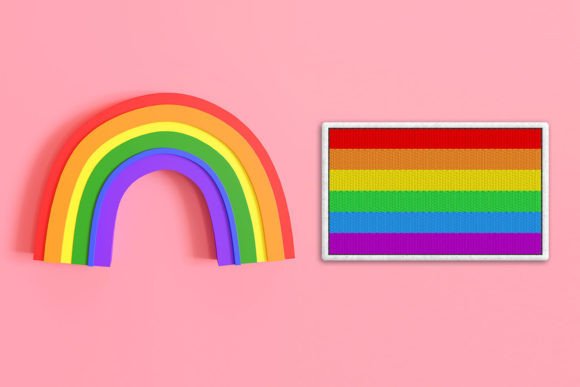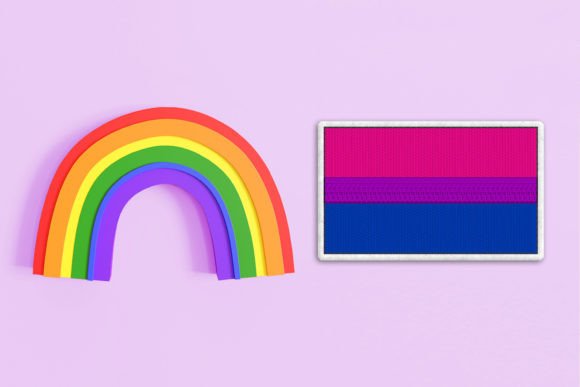
Bisexual Pride Flag ITH Feltie Applique
As an embroidery designer who spends countless hours testing files before they ever reach a customer’s hoop, I approach every new digital product with a mix of creative excitement and practical skepticism. When Bisexual Pride Flag ITH Feltie Applique landed in my inbox, I didn’t just look at the stitch lines; I visualized the finished product on a shelf in a boutique or hanging in a nursery. The intersection of pride awareness and handmade gifting is a powerful niche, but it requires precision to execute well. This review explores how this specific design performs as a centerpiece for personalized gifts, from baby showers to wedding keepsakes.
First Impressions: Charm Meets Clarity
The moment you load the file into your digitizing software, the intent is clear. This is not merely a flag; it is a crafted object. The "in the hoop" (ITH) feltie construction means the design does more than embroider a logo; it creates a dimensional, tactile appliqué that feels substantial in the hand. For designers, the mood here is undeniably warm and inviting. It balances the boldness of the bisexual pride colors with the softness associated with felt crafts.
Emotionally, the design strikes a chord of modern inclusivity without feeling overly political or aggressive. It feels sweet, playful, and deeply personal. The clean lines of the flag stripes are preserved through the appliqué process, ensuring that the symbol remains recognizable even after being stitched onto various substrates. For the Etsy seller or small business owner, this aesthetic translates directly to higher engagement. Customers scrolling through listings are drawn to items that feel both professionally made and emotionally resonant. This design offers that perfect blend of symbolic meaning and decorative charm.
Product Applications: Where Shine Best
One of the strongest selling points of Bisexual Pride Flag ITH Feltie Applique is its versatility across multiple gift categories. Because it is designed to be sewn onto non-fraying fabrics like felt or vinyl, it opens up avenues that standard embroidery cannot easily access.
- Baby Embroidery and Nursery Decor: Imagine this appliqué attached to a muslin blanket or a plush toy. The soft edges of the feltie make it safe and gentle for infants. It serves as a beautiful way for parents to introduce concepts of identity and love early on, making it a standout item for gender-neutral nurseries.
- Wedding Gifts and Keepsakes: For couples celebrating their union within the LGBTQ+ community, this design adds a meaningful touch to custom aprons, pillow covers, or tote bags. It elevates a simple handmade product into a cherished memory of their special day.
- Custom Tote Bags and Kitchen Towels: The durability of the ITH construction makes it suitable for items that see regular use. Sewing the feltie onto a canvas tote or a heavy cotton kitchen towel allows the vibrant colors to pop while maintaining structural integrity.
- Etsy Listings and Craft Fair Products: As a digital embroidery file, this asset allows creators to offer low-inventory-risk products. You can produce these items on demand, reducing waste and maximizing profit margins for small shop owners.
The perceived value of a finished product featuring this design is significantly higher than a standard printed graphic. Buyers associate the texture of felt and the precision of machine embroidery with quality and care. This emotional connection drives sales, as customers are often looking for items that reflect their values and support handmade artisans.
Strategic Considerations and Limitations
While the design is robust, no embroidery file is universally perfect. There are specific scenarios where Bisexual Pride Flag ITH Feltie Applique may require caution or additional planning.
First, avoid using this design on highly textured or thick fabrics such as heavy terry cloth towels or chunky knits unless you have significant experience with stabilizers. The base fabric needs to be relatively flat to allow the appliqué to sit flush. Stretchy baby clothes can distort the shape of the feltie during stitching, so pre-washing and stiffening might be necessary.
Dark fabrics present another challenge. While the felt itself provides opacity, the surrounding stitching must contrast sharply against the background. If you are sewing onto dark denim or black cotton, ensure your thread colors are bright enough to stand out. Conversely, placing this on very light, sheer fabrics may compromise the structural integrity of the appliqué, causing it to sag or tear over time.
Additionally, if you plan to place this design on curved surfaces like the rounded corners of a diaper bag, test the flexibility of the finished piece. Excessive stiffness in the felt can cause puckering when the item is bent. Always consider the end-use environment; items that undergo frequent, high-heat washing may see the felt degrade faster than other components.
Practical Embroidery Notes for Success
To ensure your machine embroidery design results in a professional-grade product, follow these technical guidelines based on real-world testing:
- Test on Scrap Fabric: Never run a production order without a test stitch-out. Use the exact same felt and backing material you intend to sell. This reveals potential issues with tension or registration before you commit to a final product.
- Check Thread Color Contrast: Verify that the satin stitches securing the felt provide enough grip and visual definition. If the thread color blends too much with the felt, the edges may look fuzzy rather than crisp.
- Confirm Hoop Size: Ensure your machine’s hoop accommodates the full design area with margin for error. Running a design too close to the edge of the hoop can lead to trimming errors.
- Review Stitch Density: High-density areas can make the feltie stiff. If the design feels too rigid, consider adjusting the underlay stitches or using a lighter weight stabilizer.
- Use Proper Stabilizer: A cut-away stabilizer is generally recommended for ITH projects to prevent distortion during the multiple hooping steps involved in appliqué construction.
- Compare Light and Dark Mockups: Create digital mockups showing the design on both light and dark backgrounds to help customers visualize options. This transparency builds trust and reduces return rates.
- Check Small Details: Zoom in on the digitized file to inspect any tiny elements. In the case of flag designs, ensure the stripes are distinct and do not merge together due to excessive thread overlap.
- Confirm Commercial Licensing: Before selling finished goods, double-check the license terms included with the digital file. Some creators restrict commercial use, while others allow unlimited sales. Respecting intellectual property is crucial for long-term shop health.
Final Thoughts on Giftability
In the crowded marketplace of handmade goods, differentiation is key. Bisexual Pride Flag ITH Feltie Applique offers a unique combination of symbolism, texture, and ease of production. It appeals to a broad audience seeking authentic, inclusive gifts for friends, family, and colleagues.
For the embroidery maker, this file represents more than just a pattern; it is a tool for storytelling. By carefully selecting fabrics and paying attention to finishing details, you can transform a simple digital file into a tangible expression of love and identity. Whether used on a baby blanket, a wedding apron, or a custom tote, the finished product carries the weight of intention and the lightness of craft. As you integrate this into your catalog, remember that the true value lies not just in the stitches, but in the connection it fosters between the maker, the giver, and the receiver.
By treating each step—from digitizing to packaging—with professionalism and care, you position your brand as a trusted source for high-quality, meaningful embroidered gifts. This design is a strong addition to any embroidery file library focused on awareness and personalization, offering endless possibilities for creative expression and commercial success.