Faux Embroidery Canva Frame Letters Review
As an embroidery designer who spends more time in front of a hoop than on social media, I have learned that the difference between a "nice" item and a "sell-out" item at a craft fair often comes down to visual impact and production practicality. When I first encountered Faux Embroidery Canva Frame Letters, my initial reaction was one of cautious optimism. The concept is simple: digital design assets that mimic the look of high-end stitching without the hours of digitizing or machine time. For busy entrepreneurs looking to scale their handmade business, this sounds like a dream. But does it hold up under the harsh fluorescent lights of a convention center? Let’s break down how this design performs as a real-world craft fair product.
First Impressions and Visual Appeal
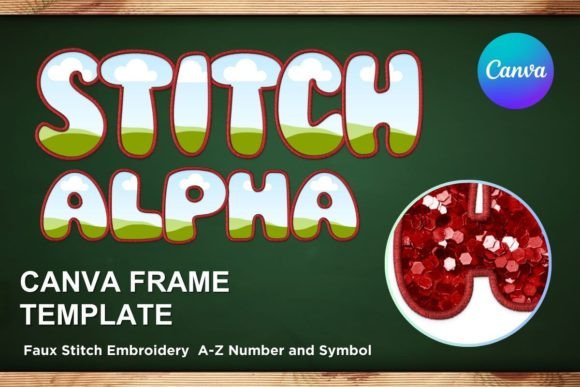
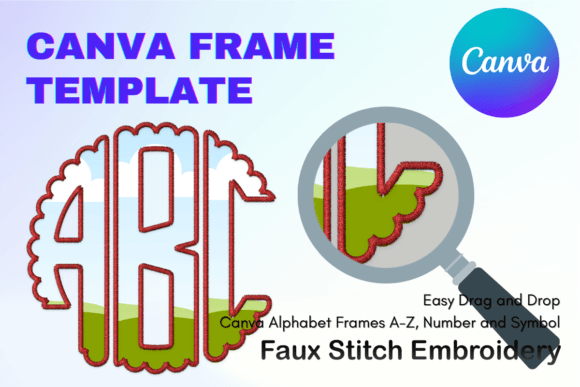
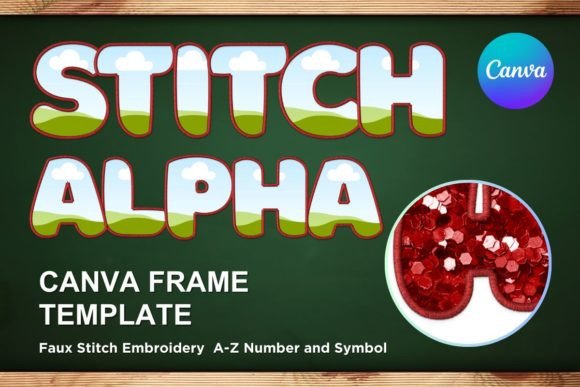
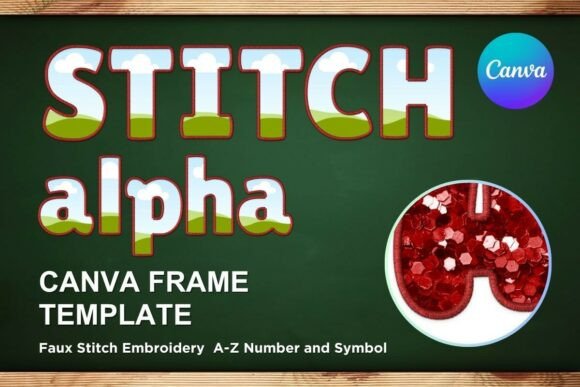
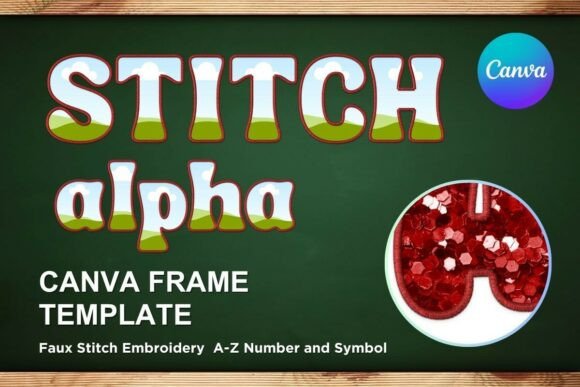
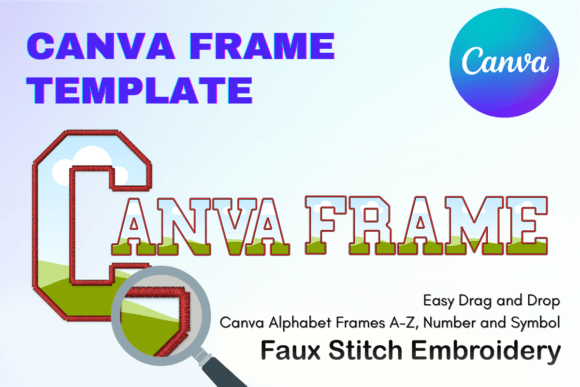
The moment you load the template into Canva, the aesthetic speaks for itself. Faux Embroidery Canva Frame Letters strikes a balance between modern minimalism and rustic charm. It doesn’t scream "cheap print"; instead, it offers a textured, premium feel that mimics the raised dimension of actual thread work. This is crucial because customers at markets judge quality by eye before they even touch the fabric.
In terms of mood, this design leans heavily into the farmhouse and elegant categories, but with enough versatility to fit soft, boutique aesthetics. The lettering is bold enough to be read from three feet away—a key factor for booth visibility—but refined enough to sit comfortably on delicate fabrics. For an Etsy seller or a small shop owner, this design asset provides immediate brand consistency. It feels cohesive, which builds trust with buyers who are looking for handmade products that feel professional rather than amateurish.
Product Application: Where It Shines
I tested the potential applications of this design across several common market items. Here is where Faux Embroidery Canva Frame Letters truly earns its keep:
- Tote Bags: This is the bread and butter of any craft fair. A large tote bag allows the frame letters to breathe. The faux texture contrasts beautifully against canvas or cotton blends, making the tote bag design pop without overwhelming the garment. It works best when centered or slightly off-center for a casual, chic look.
- Aprons and Tea Towels: Kitchen textiles are impulse-buy magnets. The clean lines of the frame complement the utilitarian nature of aprons, while the lettering adds a personal touch to tea towels. Because the design is digital, you can easily swap out the text for seasonal greetings (e.g., "Bake," "Coffee," or holiday themes), making it a highly repeatable small shop product.
- Patches and Caps: Smaller items require more precision. On caps, the curved surface can distort flat designs, but the frame structure of these letters helps maintain integrity. However, you must be careful with sizing. On a cap, this should be treated as an accent, not a focal point.
- Printable Mockups: For those selling digital downloads or needing quick listings for online shops, this design translates perfectly into printable mockups. You can place the frame on various backgrounds instantly, saving hours of photography time.
Production Practicality and Batch Scaling
One of the biggest hurdles for embroidery business owners is time. Traditional machine embroidery design requires complex digitizing, testing, and hooping. Faux Embroidery Canva Frame Letters bypasses much of this friction. Since you receive a PDF with links to custom-made Canva templates, the workflow is streamlined. You drag, drop, edit, and print (or transfer).
This efficiency makes it ideal for batch production. Imagine preparing fifty identical tea towels for a weekend market. With a traditional embroidered file, you would need to re-hoop and re-stitch each one, risking needle breaks or tension issues. With this digital approach, you can create a consistent finished product rapidly. This scalability is essential for maximizing profit margins during peak seasons like Christmas or Mother’s Day.
Photography and Online Listings
In today’s market, your online listing is your storefront. Faux Embroidery Canva Frame Letters photographs exceptionally well. The simulated texture catches light in a way that suggests depth, reducing the need for expensive macro lenses to show detail. For an Etsy seller, this means higher click-through rates because the images look polished and high-value right out of the box.
Careful-Use Notes and Potential Pitfalls
While the design is versatile, no single asset fits every scenario. As a designer, I urge you to be mindful of the following constraints:
- Dense Stitch Areas vs. Digital Texture: If you are using this as a guide for actual embroidery, watch out for dense areas. Faux textures can sometimes blur if printed too small. Ensure your resolution is high enough so the "stitches" don’t turn into a muddy blob.
- Small Lettering and Clarity: Avoid shrinking the design too much. Tiny details in the frame corners may get lost on small pouches or tags. Always test the legibility at 100% size before committing to a run.
- Fabric Texture Interference: Highly textured fabrics, like heavy burlap or waffle-weave tea towels, can interfere with the clarity of the design. Smooth cottons or linens provide the best backdrop for the faux effect to shine.
- Dark Fabric Challenges: If you are applying this via heat transfer or printing on dark materials, ensure you have a white underbase or backing. Otherwise, the contrast will be lost, and the design will look washed out.
- Hoop Size and Curvature: Remember that physical objects have limits. While the digital file is flexible, applying it to a curved cap surface requires stretching or specialized techniques. Don’t assume the flat digital preview matches the final 3D result perfectly.
Designer’s Checklist for Success
To ensure your commercial embroidery or handmade line succeeds, follow these practical steps before heading to the market:
- Test on Scrap Fabric: Never go straight to your inventory. Print or stitch a sample on the exact fabric you plan to sell. Check for color bleeding, adhesion issues, or texture mismatches.
- Check Thread Contrast: If you are combining this with real thread accents, ensure the colors harmonize. The faux elements should complement, not clash with, the real stitches.
- Review Spacing: Use Canva’s tools to adjust kerning and spacing. Tight letters can look cluttered; loose letters can look disconnected. Find the sweet spot that matches your brand’s voice.
- Confirm Commercial Licensing: Before selling finished goods, double-check the license terms included in your PDF download. Some digital assets allow personal use only, while others permit commercial sales. Protect your business by verifying this upfront.
- Create Real Mockups: Compare different fabric colors side-by-side. A design that looks stunning on white might disappear on beige. Take photos in natural light to see how the embroidery file translates to reality.
Final Verdict
Faux Embroidery Canva Frame Letters is a smart, strategic addition to any creative entrepreneur’s toolkit. It bridges the gap between the desire for high-quality, tactile handmade goods and the economic reality of efficient production. It is not a replacement for master-level digitizing, but it is an excellent tool for rapid prototyping, seasonal collections, and adding a premium touch to everyday items like totes and kitchen linens.
For the craft fair seller, the value lies in its ability to grab attention quickly and produce consistent results. Just remember to respect the limitations of fabric and scale. Test thoroughly, choose your materials wisely, and let the design do the heavy lifting. When executed correctly, this digital asset can significantly boost your booth’s appeal and help you stand out in a crowded marketplace.