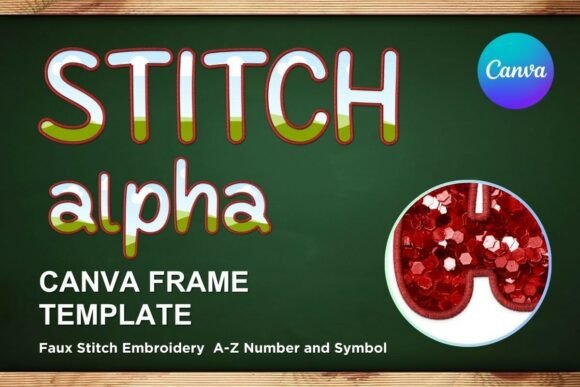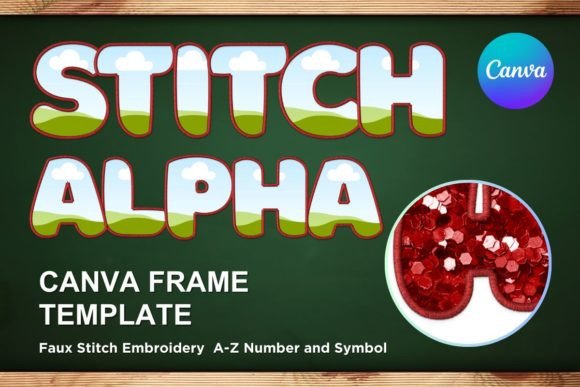
Faux Embroidery Canva Frame Letters_5 Review
As an embroidery designer who spends half my life in front of a hoop and the other half prepping for weekend craft fairs, I have learned that not every design translates well from screen to fabric. You can have the most intricate stitch pattern in the world, but if it does not catch the eye of a passerby at a crowded market, it is just data on a hard drive. That is why I take product reviews seriously. Today, I am looking closely at Faux Embroidery Canva Frame Letters_5, a digital asset marketed toward creative entrepreneurs and handmade sellers.
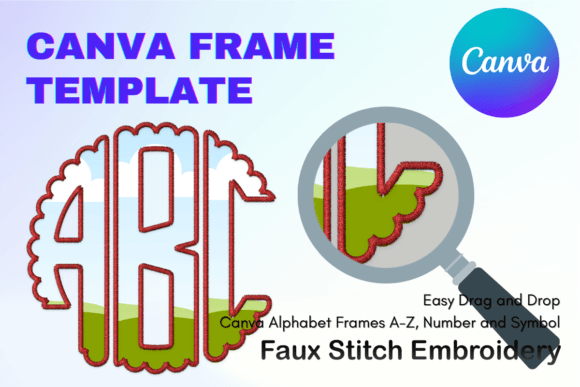
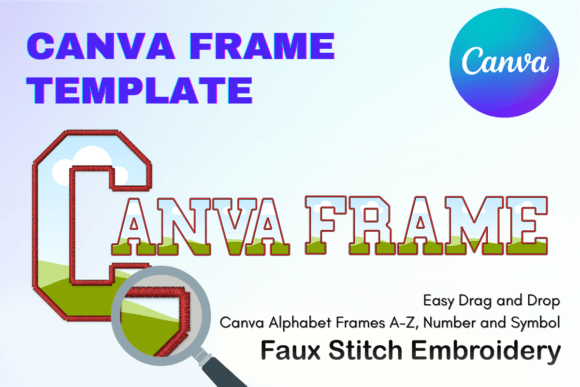
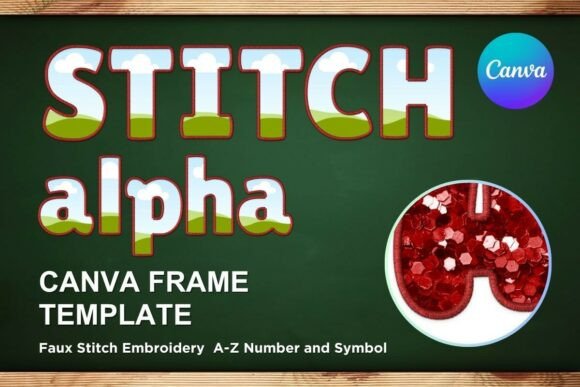
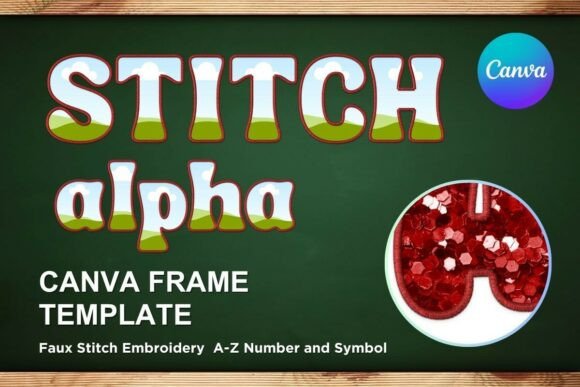
The premise here is interesting. We are dealing with a digital file that promises a "faux" look, likely achieved through clever graphic design or specific stitching techniques simulated in a template. For those of us selling on Etsy or running a small boutique brand, efficiency is everything. The description notes that this is a DIGITAL FILE containing a PDF link to custom-made Canva frames. This suggests a workflow that bridges the gap between traditional embroidery aesthetics and modern digital flexibility. Let us break down how Faux Embroidery Canva Frame Letters_5 might perform on your table display and in your production line.
First Impressions: The Visual Hook
When you first open the assets associated with Faux Embroidery Canva Frame Letters_5, the immediate question is always about clarity. In the world of handmade products, visual noise is the enemy. Based on the title and the nature of frame-based lettering, this design leans heavily into a clean, structured aesthetic. It feels modern yet approachable. The "frame" aspect provides a natural boundary for the eye, making the text or motif pop against various backgrounds.
For a craft fair booth, this is crucial. Customers give you about three seconds to make an impression. A design that looks premium and intentional stops the scroll online and catches the light in person. The 12x12 inch paper size mentioned in the template specs is generous enough to allow for detailed framing without feeling cluttered. It strikes a balance between rustic charm and contemporary minimalism, which is currently dominating the market for home goods and accessories.
Product Applications and Market Fit
Where does Faux Embroidery Canva Frame Letters_5 shine? As an embroidery designer, I look for versatility. A design that only works on one type of item limits your revenue potential. Here is how I see this asset performing across key craft fair categories:
- Tote Bag Design: This is perhaps the strongest application. A framed letter design on a canvas tote bag screams "gift ready." It allows for a large focal point that is readable from a distance. The frame adds a layer of sophistication that elevates a simple canvas bag into a branded piece.
- Apron Embroidery: Kitchen items are high-volume sellers at markets. Placing this design centrally on a bib apron or as a chest accent works beautifully. The structured lines of the frame complement the utilitarian shape of the apron, creating a cohesive farmhouse or modern chic look.
- Tea Towel Embroidery: Linen and cotton tea towels are impulse buys. The contrast provided by the faux embroidery style (if translated to actual thread) or the crisp graphic print would stand out against the texture of the towel. It offers a decorative element that feels personal and thoughtful.
- Embroidered Patch: If the Canva template allows for easy cropping, this design could be adapted into a patch. Patches are evergreen products for caps and backpacks. The self-contained nature of a frame makes it ideal for appliqué or direct-to-garment printing before being sewn on.
- Pillow Covers and Small Pouches: For smaller items, the scale of the design needs careful consideration. On a throw pillow, it serves as a centerpiece. On a small pouch, it acts as a charming accent. The key is ensuring the design elements do not get lost in the seams.
Photography and Online Listings
For the Etsy seller or digital seller, photography is your storefront. Faux Embroidery Canva Frame Letters_5 is inherently photogenic because of its defined borders. When you create printable mockups for your listings, this design will render cleanly on white, beige, or pastel backgrounds. It photographs well under natural light, showing off the details without requiring heavy editing. This ease of presentation means less time spent on Photoshop and more time fulfilling orders.
Production Practicality and Quality Control
Let us talk shop. How easy is this to produce in bulk? The description highlights "Easy drag drop edi[tion]," which implies that customization is straightforward. This is vital for batch production. If you are making twenty identical aprons for a Saturday market, you need a workflow that minimizes errors.
However, as a professional, I must advise caution regarding the translation of "faux" designs into physical reality. If you are using this as a guide for actual machine embroidery, you must evaluate the stitch density. Frames can sometimes result in dense areas where the needle penetrates the same spot repeatedly. High density can lead to puckering, especially on lightweight fabrics like tea towels or thin cotton blends.
Consider the hoop size required. A 12x12 inch template might exceed standard hoop sizes for many home machines. You may need to digitize this carefully or use a larger commercial machine. Always test the design on scrap fabric first. Check the thread colors against your chosen material. Dark fabrics require lighter threads or a stabilizing underlay to prevent the design from looking muddy. Conversely, light fabrics demand high-contrast threads to ensure the frame definition remains sharp.
Common Pitfalls to Avoid
- Small Details: If the frame includes tiny filigree or small lettering inside, these details may disappear when stitched on curved surfaces like caps or rounded pouches. Flatten the design digitally if necessary, or simplify the inner graphics.
- Fabric Texture: Rough textures, like burlap or heavy denim, can obscure fine lines. Ensure the design has enough weight to stand up to the fabric’s surface.
- Scale Issues: Do not shrink the design too much. A faux embroidery look relies on the illusion of thread thickness. If scaled down to the size of a coin, it may look like a blurry blob rather than a stitched frame.
Brand Consistency and Customer Appeal
Beyond the mechanics of production, Faux Embroidery Canva Frame Letters_5 contributes significantly to brand identity. Buyers at craft fairs are looking for cohesion. They want to see a brand that has a distinct style. This design offers a versatile framework that can be adapted with different fonts, colors, or motifs while maintaining a consistent structural language. Whether you are selling commercial embroidery pieces or small shop products, this asset helps unify your collection.
It appeals to the buyer’s desire for personalized, yet polished goods. The "handmade" feel is preserved through the texture of the fabric and the choice of thread, while the precision of the frame suggests professional quality. This combination builds trust and justifies a higher price point.
Final Verdict for the Craft Entrepreneur
If you are looking to expand your inventory with items that photograph well, produce efficiently, and appeal to a broad audience, Faux Embroidery Canva Frame Letters_5 is a strong candidate. It fits seamlessly into the ecosystem of the modern handmade business, bridging digital convenience with tactile appeal.
Remember to check the specific commercial licensing terms before selling finished products. Confirm the file format compatibility with your software and ensure you have the right stabilizer for your chosen materials. By testing thoroughly and focusing on quality execution, you can turn this digital asset into a best-selling crafter fair product that drives sales and delights customers.