Letter B Cross Stitch Pattern Alphabet Review
As an embroidery designer who has spent years translating digital concepts into tangible brand assets, I approach every new design file with a mix of creative appreciation and commercial scrutiny. When evaluating Letter B Cross Stitch Pattern Alphabet, my primary focus is not just on its aesthetic appeal, but on its viability for small business merchandise, branded patches, and uniform applications. In today’s market, customers are drawn to the authenticity of handmade aesthetics, even when those items are produced at scale. This review breaks down how this specific cross stitch pattern performs as a commercial asset.
First Impressions: Visual Personality and Brand Fit
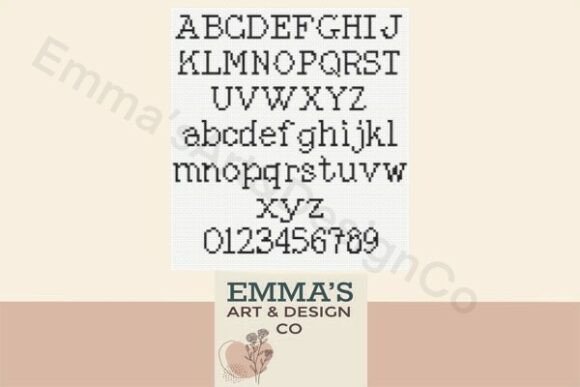
The moment you view the Letter B Cross Stitch Pattern Alphabet, the first thing that stands out is its accessibility. Described as simple and beginner-friendly, this design signals warmth and approachability. For small business owners, particularly those in the boutique, bakery, or craft sectors, this "handmade" feel is invaluable. It does not scream corporate rigidity; instead, it whispers artisanal quality.
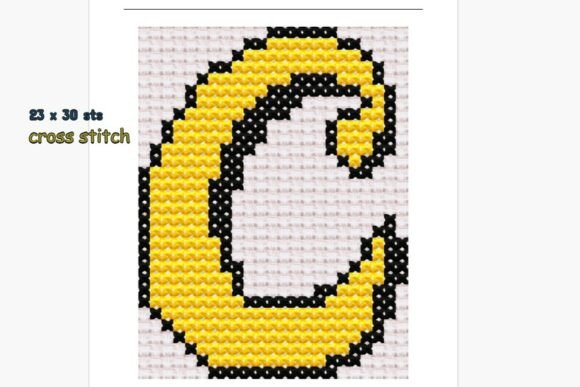
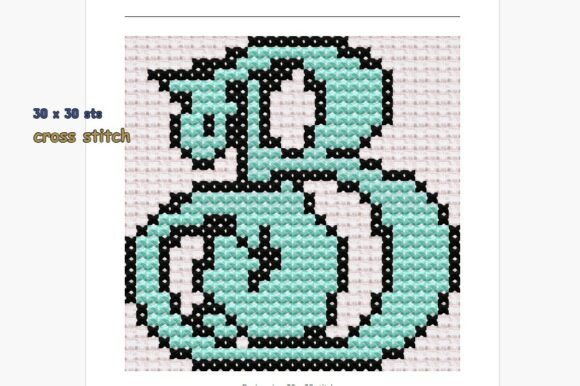
The geometric nature of cross stitch inherently lends itself to a structured yet playful look. The letter B, being one of the more complex letters in the alphabet due to its curves and negative space, requires careful execution. Based on the description, this design measures 30 x 30 stitches. While compact, this density suggests a bold presence rather than a delicate filigree. It feels classic and reliable, making it suitable for brands that want to project stability and tradition without looking outdated. It strikes a balance between modern minimalism and rustic charm, a combination that resonates strongly with Etsy sellers and independent creators.
Real-World Business Applications
Where does Letter B Cross Stitch Pattern Alphabet truly shine? The versatility of this design allows it to function effectively across multiple product categories. Here is how it translates from screen to finished product:
- Embroidered Patches: This is perhaps the strongest use case. A 30x30 stitch count is ideal for chest logos or sleeve accents. When digitized properly, the blocky nature of cross stitch holds up well against fraying edges, making it durable for frequent wear.
- Staff Uniforms and Aprons: For café owners or restaurant managers, adding a subtle cross-stitched initial to aprons or work shirts adds a layer of professionalism mixed with personality. It personalizes the staff experience without overwhelming the garment.
- Tote Bags and Caps: As a tote bag design, the high contrast typically associated with cross stitch ensures visibility. On caps, however, caution is advised (see below). For canvas totes, it serves as a perfect standalone graphic that reinforces brand identity.
- Product Packaging and Labels: Even if you do not embroider every item, using a printable mockup of this design on hang tags, stickers, or packaging inserts can elevate your unboxing experience. It signals attention to detail to the customer before they even touch the product.
- Custom Apparel Accents: Use it as a sleeve detail on denim jackets or hoodies. The simplicity allows it to act as a secondary logo, reinforcing brand recognition without cluttering the main design.
Strategic Considerations and Limitations
No design is perfect for every application. As a professional, I must highlight where Letter B Cross Stitch Pattern Alphabet might struggle. Understanding these limitations prevents costly production errors.
Size Constraints: At 30 x 30 stitches, this design is relatively small. If you attempt to enlarge it significantly without proper digitization adjustments, the pixels may become too blocky, losing the intended charm. Conversely, shrinking it further for tiny accessories like keychains may result in lost detail. It is best suited for areas where the eye can rest, such as a chest pocket or a standard patch size.
Fabric and Surface Challenges: Cross stitch relies on clear contrast between thread colors and fabric. On dark uniforms or textured fabrics like heavy tweed, the design may get lost unless you use a stabilizer base or contrasting backing. Additionally, curved surfaces like cap fronts can distort the grid-like structure of cross stitch, potentially warping the letter B. Always test on the actual material before committing to bulk orders.
Durability: While generally robust, intricate outlines in small designs can fray if not finished correctly. Ensure that your finishing technique involves proper satin stitching around the perimeter if this is being used for high-wear items like workwear.
Impact on Brand Identity and Customer Trust
In the crowded marketplace of handmade goods, visual consistency is key. Using a cohesive design language, such as incorporating cross stitch elements across various products, builds a recognizable brand identity. The Letter B Cross Stitch Pattern Alphabet contributes to this by offering a consistent "voice" in your visual library.
Customers associate handmade aesthetics with care and craftsmanship. By featuring this design on your merchandise, you are subtly communicating that you value quality over mass-production speed. This perception enhances customer trust and engagement. It transforms a simple commodity into a piece of art, justifying premium pricing and fostering loyalty among buyers who appreciate the artisan touch.
Practical Designer Notes for Production
Before integrating this design into your commercial workflow, follow these essential steps to ensure success:
- Test in Black and White: Convert the design to grayscale to check contrast levels. If the details disappear, adjust the thread colors or simplify the design.
- Check Stitch Density: Verify that the stitch density is appropriate for the chosen fabric. Too dense, and the fabric will pucker; too sparse, and the backing will show through.
- Confirm Hoop Size: Ensure your machine hoop can accommodate the design area plus necessary margins for hooping.
- Use Proper Stabilizer: Select a cut-away or tear-away stabilizer based on the fabric type to prevent shifting during embroidery.
- Create a Mockup: Generate a printable mockup to present to clients or visualize on final products. This helps in client approval processes and marketing materials.
- Review Commercial Licensing: Crucially, confirm the licensing terms of the Letter B Cross Stitch Pattern Alphabet. Ensure you have the right to use it for commercial merchandise, including patches and apparel, to avoid legal issues.
- Compare Side-by-Side: Place this design next to other design assets in your collection to ensure visual harmony and consistency.
Final Verdict
The Letter B Cross Stitch Pattern Alphabet is a versatile and charming addition to any small business’s design toolkit. Its beginner-friendly nature belies its professional potential, offering a sophisticated yet accessible aesthetic that works beautifully for embroidered patches, apron embroidery, and custom apparel. By paying attention to fabric choices, stabilization, and licensing, you can leverage this design to enhance your brand identity and create memorable products. For designers looking to add a touch of handmade elegance to their commercial embroidery projects, this pattern is a solid, reliable choice.