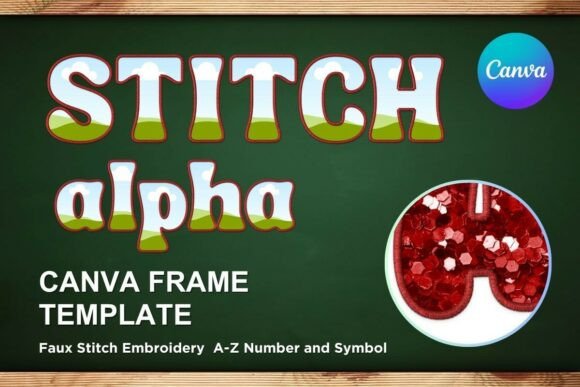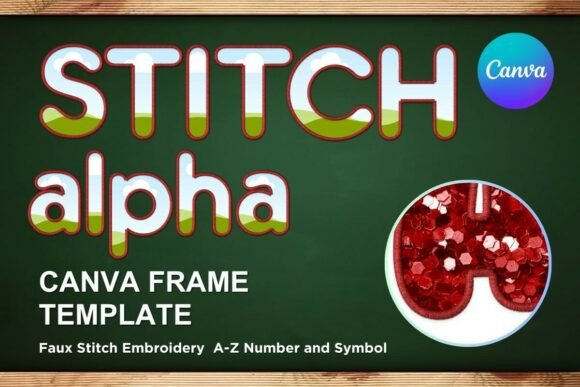
Faux Embroidery Canva Frame Letters_13 Review
As an embroidery designer who spends weekends hunched over a table at local craft fairs, I know that the difference between a sale and a browse often comes down to visual impact. When I first saw Faux Embroidery Canva Frame Letters_13, my immediate thought was about versatility. In the world of handmade goods, items that bridge the gap between rustic charm and modern elegance tend to move fastest. This design asset fits squarely into that sweet spot. It is not just a graphic; it is a tool for creating high-value craft fair products that look expensive but are efficient to produce.
First Impressions: The Aesthetic Appeal
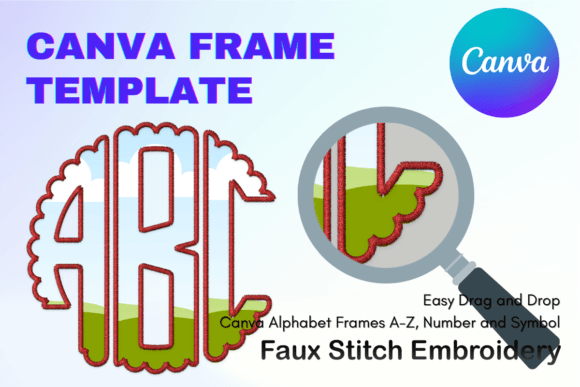
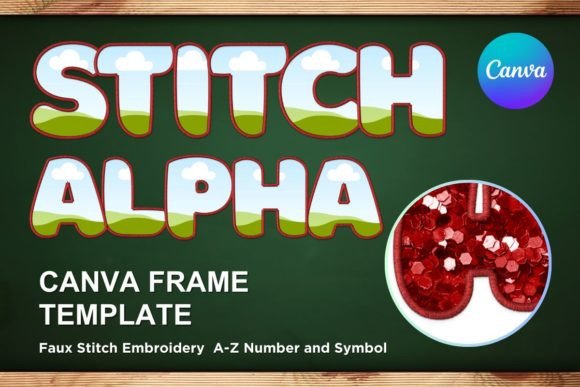
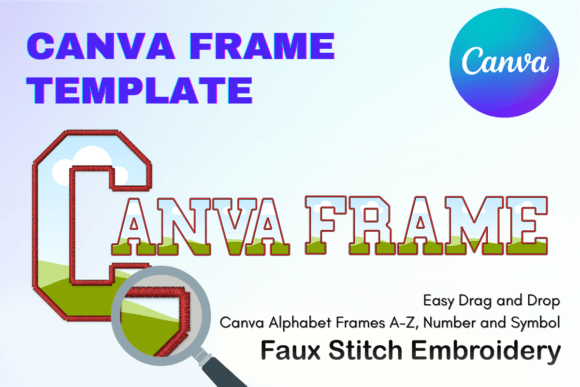
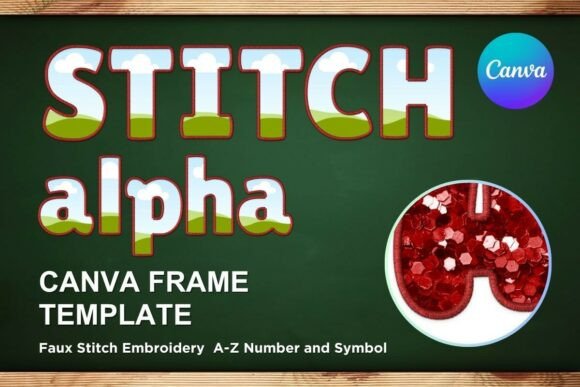
The title suggests a sophisticated approach to typography. "Faux Embroidery" implies that the texture of thread is simulated through digital means, which is crucial for Canva users who want the look of stitching without the hours of hooping. For a booth display, this distinction matters. Customers can tell the difference between a flat print and something that mimics the tactile quality of real embroidery. Faux Embroidery Canva Frame Letters_13 offers a clean, framed aesthetic that feels both decorative and premium. It strikes a balance between minimal and detailed, making it suitable for a wide range of demographics, from young mothers looking for baby gifts to professionals seeking chic home decor.
When you download the PDF file containing the link to the custom-made Canva frame templates, you are getting a streamlined workflow. The 12×12 inch paper size is standard, which means it integrates easily into most digital planning and mockup workflows. This ease of use is a massive advantage for busy Etsy sellers or boutique makers who need to churn out listings quickly. The "drag and drop" nature of the template allows you to customize colors and fonts rapidly, ensuring that your brand consistency remains strong across different product lines.
Product Applications: Where It Sells Best
Imagine setting up your table for a weekend market. You have rows of tote bag designs, aprons, and kitchen textiles. This is where Faux Embroidery Canva Frame Letters_13 shines. Because it is a frame-based lettering design, it acts as a perfect focal point for larger items.
- Tote Bags and Market Bags: These are staples of any handmade shop. Placing the faux embroidery frame on a canvas tote creates an instant upgrade from a generic store-bought item. The contrast of the digital "stitch" effect against the rough texture of cotton canvas adds depth. It photographs beautifully for online listings, giving potential buyers a clear idea of how the finished product will look in their hands.
- Apron Embroidery and Tea Towel Embroidery: Kitchen items are impulse buys. A tea towel featuring Faux Embroidery Canva Frame Letters_13 feels personal and thoughtful. Whether used for a wedding gift or a housewarming present, the design’s elegant framing makes it feel like a curated piece rather than mass-produced merchandise. It works well as a central motif or repeated along the hem of an apron.
- Embroidered Patches and Caps: While this is a digital graphic, its composition translates well if you plan to digitize it for actual machine embroidery. The framed letters provide a natural border, which helps contain the stitch area. This is excellent for creating embroidered patches that can be ironed onto denim jackets, beanies, or baseball caps. The structured shape ensures that even on curved surfaces like cap fronts, the design maintains its integrity.
- Pillow Covers and Home Decor: For the higher-ticket items on your shelf, pillow covers benefit from the sophistication of this design. The 12×12 inch aspect ratio allows for a substantial presence on a throw pillow, making it a statement piece for living rooms or nurseries.
Practical Selling and Production Notes
From a production standpoint, efficiency is key. If you are using this as a base for sublimation prints or heat transfer vinyl, the clean lines of the frame allow for precise cutting and placement. However, if you intend to convert this into a true machine embroidery design by digitizing it, there are several factors to consider.
First, evaluate the stitch density. Faux embroidery graphics often rely on patterns that mimic satin stitches or fill stitches. When translating this to physical thread, you must ensure that the density is not too high for the fabric you are using. On thick fabrics like denim or heavy canvas, a dense design can cause puckering. On delicate fabrics like silk or thin cotton, it might show through to the backside. Always test the design on scrap fabric before committing to your final small shop product.
Second, consider the hoop size. The dimensions provided in the template (12×12 inches) are generous. Ensure your embroidery machine can accommodate this size, or plan to split the design if necessary. If you are printing this digitally via printable mockup services, verify that the resolution is high enough to maintain the crispness of the lettering when scaled down for smaller items like pouches.
Photography is another critical component of selling. Because Faux Embroidery Canva Frame Letters_13 has a distinct visual style, it stands out in crowded online feeds. Use natural lighting to capture the texture of the underlying material. The contrast between the smooth digital graphic and the textured fabric is what sells the "handmade" illusion. Make sure your photos highlight this interplay.
Careful-Use Notes for Designers
Not all designs translate equally well to every medium. Here are some warnings based on experience:
- Small Details: If the lettering within the frame includes tiny serifs or intricate details, these may get lost when printed on small items or embroidered at reduced sizes. Keep an eye on legibility.
- Fabric Texture: Highly textured towels or nubby weaves can obscure fine details. Test on your specific fabric choice to ensure the design remains clear.
- Dark Fabrics: If you are working with dark materials, ensure that the background of your digital frame provides enough contrast. You may need to add a light underbase or adjust the color palette in Canva to prevent the design from blending into the fabric.
- Curved Surfaces: When applying to caps or rounded pouches, the straight lines of the frame may distort. Consider warping the design slightly in your editing software to match the curvature of the product.
Final Verdict: Does It Add Value?
In the competitive landscape of handmade markets, differentiation is everything. Faux Embroidery Canva Frame Letters_13 offers a professional, polished look that elevates simple garments and accessories. It is particularly effective for commercial embroidery projects where speed and aesthetic appeal are paramount. By leveraging the ease of design assets available in Canva, you can create unique variations of this frame to suit seasonal trends—switching from soft pastels for spring to rich jewel tones for fall.
Before you commit to a full production run, remember to check the commercial licensing terms included in the PDF. Confirming that you have the right to sell finished products made from this digital embroidery file is essential for protecting your business. Additionally, create at least one real-world mockup. Hold the printed version up against the fabric you plan to use. Does it catch the eye? Does it feel cohesive? If the answer is yes, then you have a winner.
For Etsy sellers and booth vendors alike, this design asset is a practical addition to your toolkit. It bridges the gap between digital convenience and physical beauty, allowing you to offer high-quality handmade products that resonate with customers looking for authenticity and style. With careful attention to fabric choice and production techniques, Faux Embroidery Canva Frame Letters_13 can become a cornerstone of your next best-selling collection.