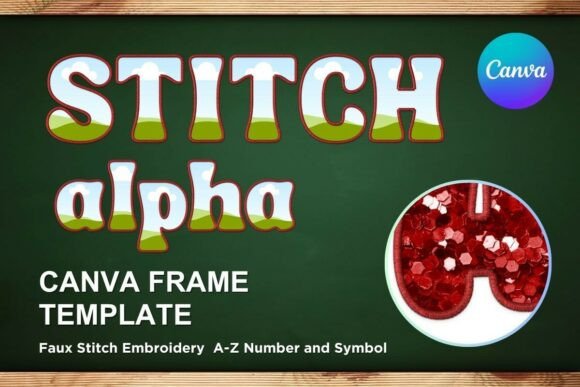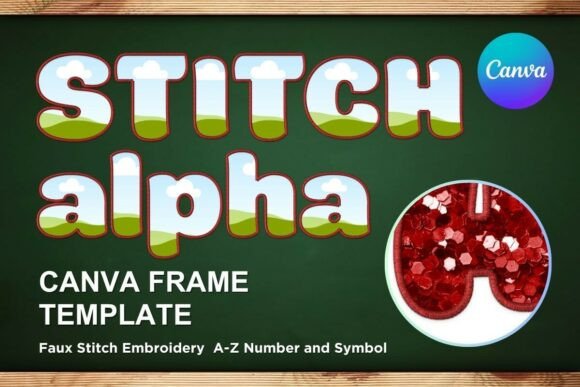
Faux Embroidery Canva Frame Letters_20 Review
In the world of small business branding, the line between digital design and tangible product can often feel blurred. As an embroidery designer who has spent years translating graphics into thread, I look at every new asset with a critical eye. Does it translate well to fabric? Will it hold up on a cap or a tote bag? Is it too intricate for a standard machine setup? Today, I am reviewing Faux Embroidery Canva Frame Letters_20, a digital graphic resource marketed toward creators looking for quick, professional-looking design assets.
This is not a physical item, nor is it a direct .dst or .pes embroidery file. It is a digital template available via Canva. For small business owners, Etsy sellers, and apparel decorators, understanding the workflow from this digital frame to the finished embroidered piece is crucial. Below is my professional assessment of how Faux Embroidery Canva Frame Letters_20 performs in real-world commercial applications.
First Impressions: Visual Personality and Professionalism
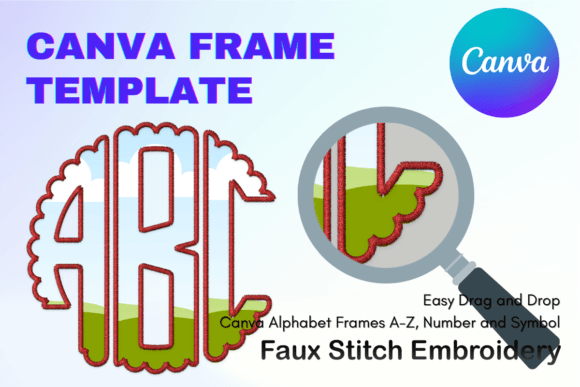
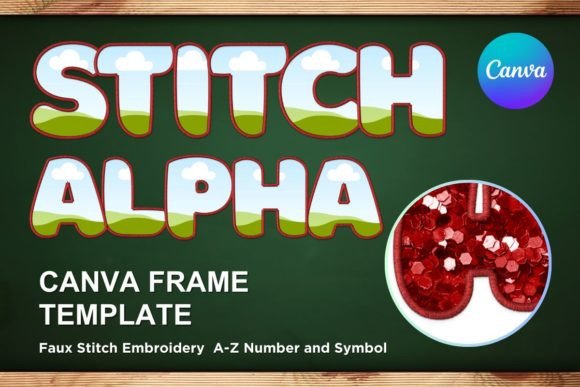
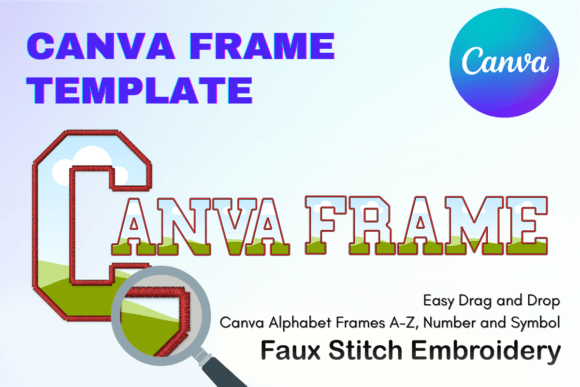
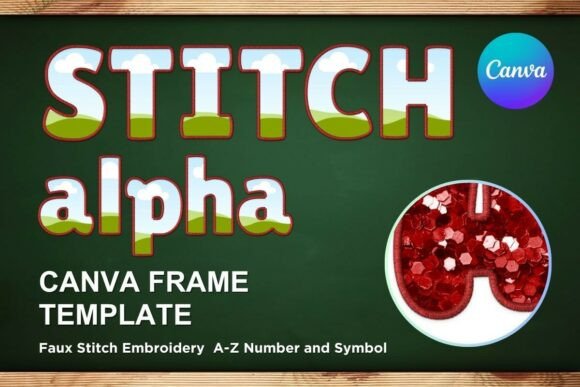
When you first open the Faux Embroidery Canva Frame Letters_20 template, the immediate takeaway is its versatility. The title suggests a focus on typography ("Letters") combined with a structured layout ("Frame"). In my experience, "faux" designs are excellent for businesses that want the aesthetic of high-end embroidery without the cost or lead time of actual stitching for every single item.
The design feels modern yet classic. It strikes a balance between bold and elegant, making it suitable for a wide range of industries. Whether you run a boutique coffee shop, a handmade jewelry brand, or a local florist, this design asset offers a clean, professional look. The 12×12 inch paper size provides ample space for customization, allowing you to drag and drop your logo, text, or imagery into the designated areas. This ease of use is a significant advantage for entrepreneurs who may not have advanced graphic design skills but need polished design assets for their small business merch.
Real-World Business Applications
So, where does Faux Embroidery Canva Frame Letters_20 shine? While it is a digital graphic, its primary value lies in its ability to serve as a mockup or a base for creating branded products. Here is how I see it being used effectively:
- Embroidered Patches: You can use this frame to design the layout for a patch. By placing your brand name inside the frame and adding a subtle border, you create a cohesive look for your embroidered patch collection. This is particularly effective for uniform jackets or denim vests.
- Staff Uniforms and Aprons: For cafes and bakeries, consistency is key. Using this template to create a standardized chest logo or back print ensures that all staff members present a unified brand identity. The "frame" aspect helps contain the design, keeping it neat even on curved surfaces like apron ties.
- Tote Bag Design: Tote bags are a staple for craft fairs and conferences. Faux Embroidery Canva Frame Letters_20 works beautifully here as a printed design that mimics embroidery. This reduces production costs while maintaining a premium, handmade feel for your tote bag design.
- Cap Embroidery Mockups: Before committing to bulk orders of caps, you can use this digital file to visualize how a framed lettering design looks on a curved front panel. It helps you assess spacing and scale before you ever touch a hoop.
- Product Packaging Accents: If you sell handmade goods, stickers or labels featuring this design can elevate your unboxing experience. It adds a layer of professionalism and care that customers appreciate.
Brand Identity and Customer Trust
One of the most overlooked aspects of merchandise is its impact on brand identity. A well-designed label or patch signals quality. When customers see a consistent visual language across your custom apparel, they are more likely to trust your brand. Faux Embroidery Canva Frame Letters_20 supports this by offering a structured, intentional look. It avoids the chaotic feel of poorly aligned text, instead providing a stable framework that communicates stability and attention to detail.
Furthermore, using a "faux" approach allows you to offer a wider variety of designs without the inventory risk of pre-embroidered items. You can test different colorways and layouts digitally before producing physical stock, which is a smart strategy for managing cash flow in a small business.
Where to Use Carefully: Limitations and Risks
As a designer, I must highlight where this digital-to-physical transition can go wrong. Not every element of Faux Embroidery Canva Frame Letters_20 translates perfectly to every medium.
Small Patch Sizes: If you plan to reduce this design to fit a very small patch (under 2 inches), be cautious. Fine details in the frame or thin lines in the lettering may become muddy or illegible when stitched or printed at a tiny scale. Always test at actual size.
Curved Surfaces: While great for flat surfaces like tote bags or the front of caps, applying this design to highly curved items like sleeves or collars requires careful stretching and alignment. The rigid "frame" structure might distort if not placed correctly on a curved garment.
High Stitch Density: If you are converting this graphic into an actual machine embroidery design, remember that dense fills can make fabric stiff. For delicate fabrics like silk or thin cotton, excessive stitch density can cause puckering. Opt for lighter fills or simpler outlines.
Dark Uniforms and Contrast: Ensure your thread colors or print inks provide enough contrast against the fabric. A light-colored frame on a dark shirt may get lost. Conversely, dark threads on black fabric require specific techniques (like underlay stitches) to stand out.
Practical Designer Notes for Production
To get the best results from Faux Embroidery Canva Frame Letters_20, follow these practical steps before finalizing your order:
- Test in Black and White: Convert your design to grayscale first. This helps you evaluate the contrast and readability without the distraction of color.
- Check Small Scale: Zoom out or print a small version to see if the details remain clear. Legibility is paramount for brand recognition.
- Review Thread Color Contrast: If embroidering, choose thread colors that pop against your chosen fabric. Neutral tones work well for a classic look, while bright colors add playfulness.
- Inspect Spacing: Ensure there is enough negative space around the letters and frame elements. Crowded designs look amateurish.
- Confirm Hoop Size: If digitizing this into a true digital embroidery file, ensure the design fits within your machine’s maximum hoop size. Adjustments may be needed for larger logos.
- Test on Real Fabric: Never assume a digital preview matches the final product. Stitch or print a sample on the exact fabric you will use for production. Check for bleeding, shrinkage, or distortion.
- Use Proper Stabilizer: The right stabilizer is essential for preventing wrinkles and ensuring the design sits flat. Cutaway stabilizers are generally recommended for woven garments.
- Create a Printable Mockup: Use the Canva template to generate a high-quality printable mockup for client approval. This saves time and ensures everyone is on the same page.
- Compare Beside Other Assets: Place this design next to your other design assets (business cards, social media posts) to ensure visual consistency across all platforms.
- Confirm Commercial Licensing: Before selling products made with this design, verify the license terms. Most Canva templates allow commercial use, but it is always wise to double-check to avoid legal issues.
Final Verdict
Faux Embroidery Canva Frame Letters_20 is a valuable tool for any entrepreneur looking to enhance their handmade product presentation. It bridges the gap between digital convenience and physical branding, offering a professional aesthetic that builds customer trust. While it requires careful planning regarding scale, fabric, and production method, its flexibility makes it a worthy addition to your toolkit. Whether you are creating commercial embroidery projects, crafting unique gifts, or building a robust Etsy branding presence, this design asset provides a solid foundation for success. Just remember to test thoroughly and prioritize clarity and contrast in your final execution.