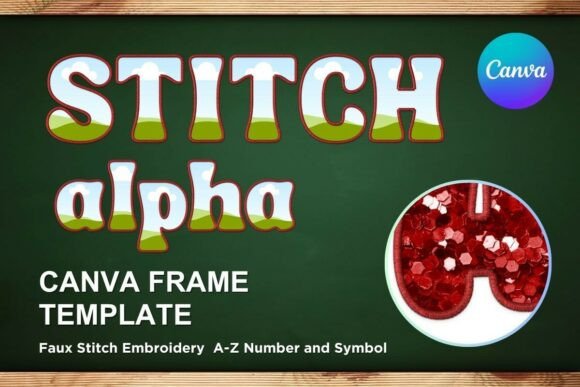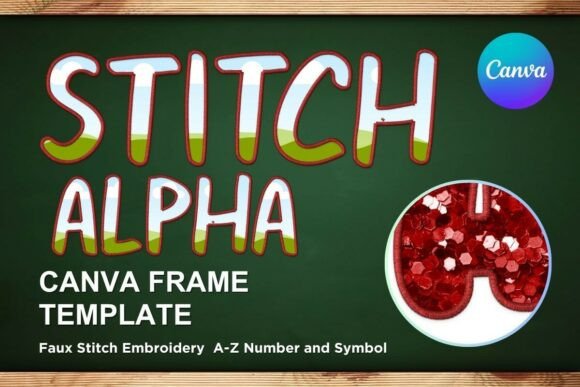
Faux Embroidery Canva Frame Letters_26 Review
As an embroidery designer who has spent years translating digital concepts into tangible thread work, I am always on the lookout for design assets that bridge the gap between digital convenience and tactile luxury. When preparing a limited drop for a small boutique brand, the difference between a generic print and a premium handmade product often lies in the details. Recently, I evaluated a new asset titled Faux Embroidery Canva Frame Letters_26. This is not a standard .pes or .dst file you simply load into your machine; it is a sophisticated design asset intended for creators who use Canva to visualize their custom apparel before production.
This review explores how this specific graphic template fits into the workflow of an Etsy seller, a small shop product creator, or any creative entrepreneur looking to elevate their sweatshirt collection. We will look at its aesthetic potential, its practical application in mockups, and what it means for the final perceived value of your merchandise.
First Impressions: The Aesthetic of Faux Embroidery Canva Frame Letters_26
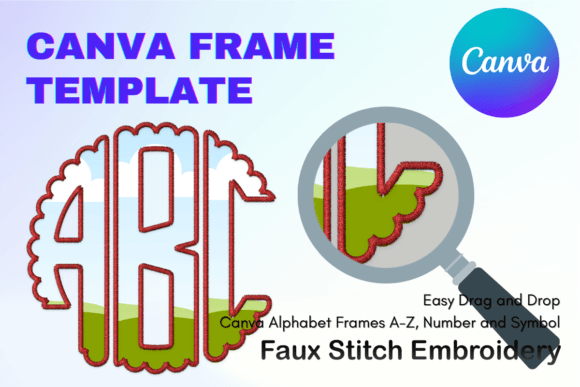
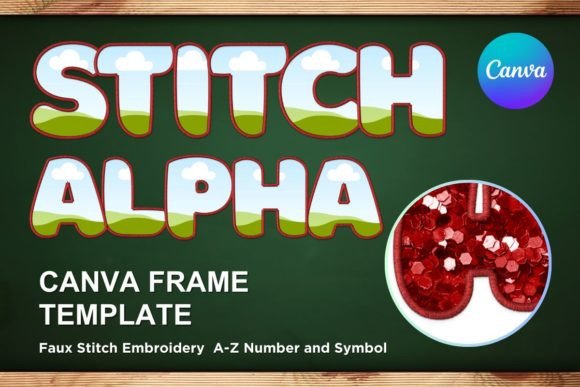
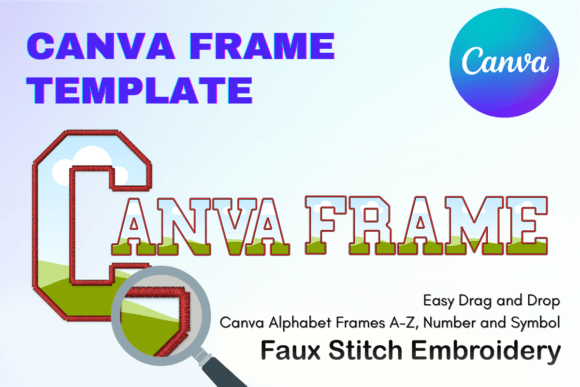
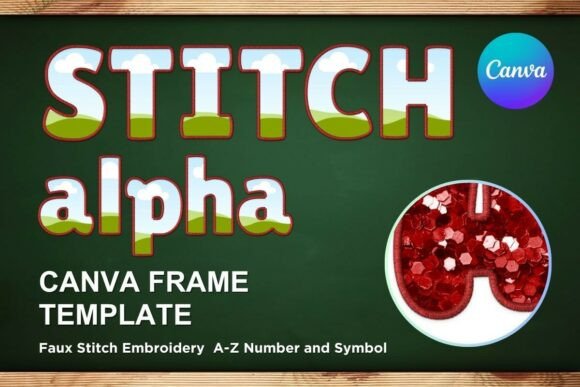
The title Faux Embroidery Canva Frame Letters_26 suggests a focus on typography within a framed structure. From a designer’s perspective, "faux" implies that we are simulating the texture and depth of real stitching using graphic tools. This is crucial for modern branding. Consumers today associate the slight irregularity and sheen of thread with quality and care. By using a frame-based letter design, you create a focal point that feels structured yet personal.
In my initial evaluation, the mood of this design leans towards minimal and feminine, with a touch of rustic charm. It does not scream for attention like a loud graphic tee; instead, it whispers elegance. This makes it incredibly versatile. For a boutique brand, this kind of subtlety allows the fabric quality—be it heavy cotton fleece or soft jersey—to shine without competition. The "frame" aspect provides a boundary that contains the eye, making it perfect for chest placements where you want a clean, branded look rather than a scattered pattern.
Visualizing the Design on Sweatshirts and Hoodies
One of the biggest challenges in sweatshirt embroidery is ensuring the design translates well across different fabric colors and textures. Here is how I envision Faux Embroidery Canva Frame Letters_26 performing in various scenarios:
- Neutral Sweatshirts (Cream, Oatmeal, Beige): On light neutrals, this design would likely pop if rendered in contrasting dark threads or metallic accents. The faux texture adds necessary visual weight against pale backgrounds, preventing the garment from looking washed out.
- Dark Fabric (Navy, Charcoal, Black): Dark fabrics demand high contrast. If the Canva template allows for bright white or pastel thread simulations, this design will look crisp. The frame acts as a container, ensuring the letters remain legible even on textured dark fleece.
- Pastel Colors (Sage, Blush, Lavender): This is where the design truly shines. Pastels pair beautifully with delicate framing. The "cute" and "playful" aspects of the design come alive here, appealing strongly to demographics interested in cozy, seasonal apparel.
- Oversized Hoodies: For oversized silhouettes, a centered chest placement works best. The frame provides a sense of proportion, keeping the design from getting lost in the volume of the fabric. It anchors the look.
When used for hoodie design projects, particularly for back designs or sleeve accents, the modular nature of a frame allows for flexibility. You might place a smaller version on the cuff or a larger one on the back yoke. This versatility is key for building a cohesive boutique brand identity.
Practical Designer Concerns: From Mockup to Machine
It is vital to understand that Faux Embroidery Canva Frame Letters_26 is a digital embroidery file component for visualization, specifically delivered as a PDF link to Canva templates. It is not a direct stitch file. Therefore, the real work happens in how you prepare the final output for production.
Thread Color Contrast and Stitch Density: In your Canva workspace, you must carefully select your simulated thread colors. Remember that screen colors differ from physical thread. When planning the actual machine embroidery design, ensure the simulated density looks realistic. Too sparse, and it looks cheap; too dense, and it may pucker the sweatshirt fabric. Since you are designing for a commercial embroidery context, you need to consider the stitch density required to cover the background of the frame effectively without adding excessive bulk.
Fabric Texture and Stabilizer Choice: Sweatshirts are thick garments. When you eventually digitize this concept for real production, you will need a strong cut-away stabilizer to support the weight of the thread and prevent shifting during washing. The fabric texture of a premium sweatshirt can hide minor imperfections, but a sloppy underlay will show. The clean lines of a frame design actually help here, as they require precise edges that look professional when stabilized correctly.
Hoop Size and Placement: Because this is a frame-based lettering design, it requires a consistent hoop size to maintain its proportions. If the design is too large for your machine’s hoop, you may need to split it, which can ruin the seamless look of the frame. Always check the dimensions in your Canva template against your machine’s maximum hoop area. For a standard chest placement, a 5x7 inch or 6x10 inch hoop is usually sufficient, but verify this before committing to production.
Enhancing Product Value and Brand Identity
For an Etsy seller or digital seller, presentation is everything. Using Faux Embroidery Canva Frame Letters_26 allows you to create stunning printable mockup images that accurately represent the finished product. These mockups build buyer trust because they show customers exactly what the texture and placement will look like, reducing returns and increasing confidence in the purchase.
A well-executed faux embroidery design elevates the perceived value of a small shop product. Customers are willing to pay a premium for items that look handmade and curated. By using this design asset, you signal that you care about aesthetics and detail. It enhances brand identity by providing a recognizable visual motif—the framed letter—that can be repeated across different products, from tote bags to beanies, creating a unified brand experience.
Workflow Efficiency for Creative Entrepreneurs
The fact that this comes as a PDF with a link to custom Canva frames is a massive time-saver. Instead of starting from scratch in Illustrator or CorelDRAW, you can drag and drop elements, adjust colors, and experiment with layouts quickly. This speed is essential for launching limited drops or responding to trending styles. It allows you to test multiple variations of the design before investing in physical samples.
However, remember that this is a graphics tool for preparation. Before you send anything to production, you must translate these visual decisions into technical specifications. Ensure you have the correct embroidery file formats ready for your digitizer or machine. Do not assume the Canva template itself can be embroidered; it is a blueprint for your vision.
Final Verdict
Faux Embroidery Canva Frame Letters_26 is a powerful tool for designers who want to blend digital efficiency with the charm of traditional craftsmanship. Its clean, framed aesthetic suits a wide range of apparel styles, from casual streetwear to refined boutique collections. While it requires careful planning regarding color simulation and eventual digitization, the payoff in terms of brand cohesion and customer appeal is significant.
For those looking to add a touch of sophisticated texture to their custom apparel line, this design asset offers a solid foundation. Just remember to verify all technical details—such as final hoop size constraints and thread count limitations—with your production partner before printing or embroidering. Used wisely, it can transform a simple sweatshirt into a standout piece in your inventory.