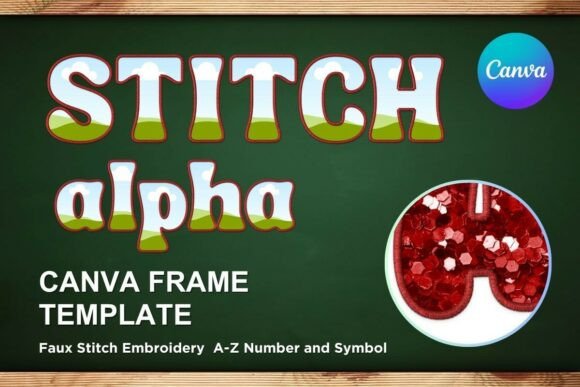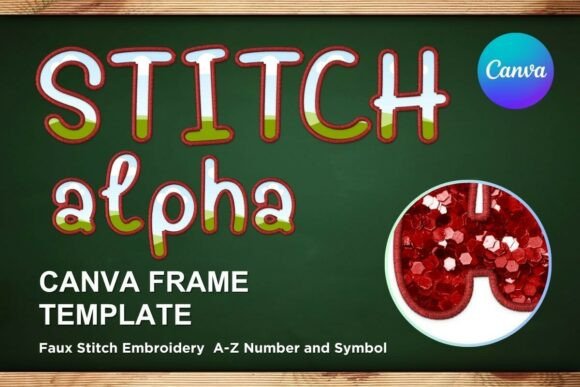
Faux Embroidery Canva Frame Letters_31 Review
As an embroidery designer who spends countless hours digitizing files and testing stitch patterns, I am always on the lookout for tools that bridge the gap between digital design and physical craft. When I stumbled upon Faux Embroidery Canva Frame Letters_31, it immediately caught my eye not just as a graphic asset, but as a potential cornerstone for my upcoming seasonal collection. For those of us in the handmade community—whether you are an Etsy seller, a craft fair regular, or a small business owner looking to expand your product line—understanding how a digital asset translates into a tangible, high-value product is crucial.
This review explores how Faux Embroidery Canva Frame Letters_31 can be integrated into holiday and seasonal projects. While this is technically a Graphics product within the Canva ecosystem rather than a direct machine embroidery file, its application in creating realistic mockups, printable promotional materials, and even as a visual guide for physical embroidery makes it a versatile tool for modern crafters. Let’s dive into why this specific frame design deserves a spot in your creative workflow.
The First Impression: Seasonal Mood and Emotional Tone
When I first opened the template for Faux Embroidery Canva Frame Letters_31, the immediate feeling was one of cozy nostalgia. The aesthetic leans heavily into the "hygge" vibe that dominates holiday shopping during Q4. It feels festive without being overly loud, striking a balance between rustic charm and modern elegance. This is exactly the kind of visual language that resonates with buyers looking for heartfelt, personalized gifts.
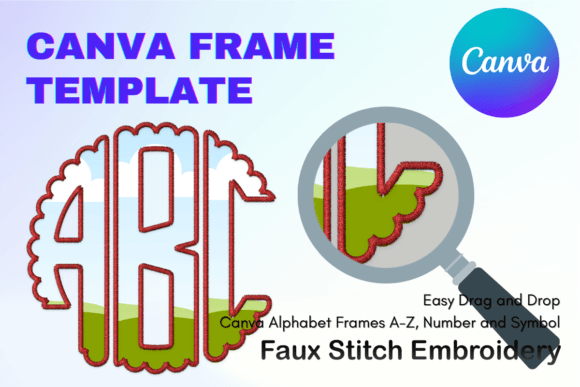
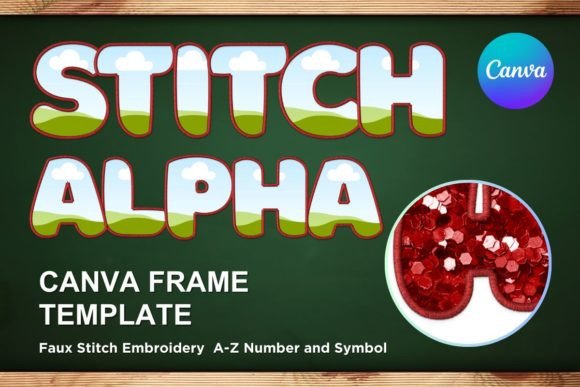
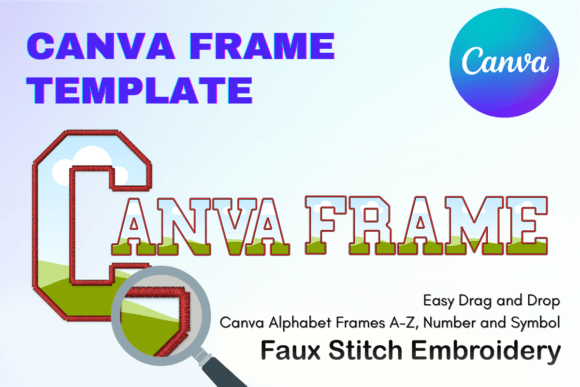
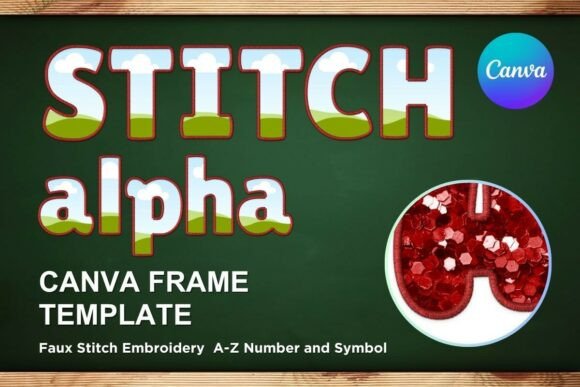
The decorative style is clean yet detailed enough to suggest texture. Even though it is a digital representation of faux embroidery, the lettering has a weight to it that mimics the look of satin stitches or dense fill patterns. This emotional tone is critical for seasonal appeal. During the holidays, buyers aren’t just purchasing an object; they are purchasing a feeling of warmth, family connection, and tradition. Faux Embroidery Canva Frame Letters_31 taps into that sentiment perfectly, making it ideal for items like family matching shirts, holiday ornaments, or keepsake pillow covers.
Real-World Applications for Holiday Sellers
So, how does this translate to actual sales? In my experience building seasonal shop collections, versatility is key. Here is how I see Faux Embroidery Canva Frame Letters_31 performing in real selling situations:
- Etsy Listings and Product Mockups: One of the biggest challenges for digital sellers and print-on-demand artists is showing customers what the final product looks like. Using this Canva frame allows you to create stunning, realistic previews of your designs on sweatshirts, tote bags, and kitchen towels. You can drag and drop your own embroidery designs into these frames to show potential buyers how a custom monogram might look on a finished garment.
- Social Media Engagement: Holiday marketing relies heavily on visual storytelling. This frame provides a consistent, branded look for your Instagram and Pinterest posts. Whether you are showcasing a limited edition apparel drop or a new line of embroidered patches, the uniformity of the frame helps build brand recognition and trust.
- Gift Bundles and Personalized Gifts: Imagine offering a "Holiday Prep Kit" where customers receive a digital template alongside a physical embroidery file. Or, use the frame to design custom tags and packaging inserts for your physical products. The ability to easily edit text means you can quickly adapt the design for different names, dates, or holiday greetings, which is essential for personalized gift markets.
- Craft Fair Displays: If you attend holiday markets, having printed versions of these frames as signage or display cards can elevate your booth. They serve as excellent examples of the styles you offer, helping customers visualize the end result before they buy.
Where to Use It (And Where to Be Careful)
While Faux Embroidery Canva Frame Letters_31 is a powerful tool, there are practical considerations for embroidery designers. Since this is a digital graphic used for planning and presentation, it is vital to understand its limitations when translating to physical production.
If you are using this frame to plan out physical embroidery projects, remember that screen visuals do not always match fabric reality. Here are some areas where you should exercise caution:
- Small Hoop Sizes: The intricate details visible in a high-resolution Canva frame may get lost if stitched in a very small hoop. Always test your physical embroidery file at the intended size to ensure legibility.
- Thick Fabrics and Towels: Kitchen towel embroidery often requires denser stitches to stand up against the rough texture of terry cloth. A design that looks light and airy in the digital frame might need adjustment in stitch density to look premium on thick cotton.
- Dark Fabric and Thread Colors: The contrast shown in the digital preview might differ from the actual thread colors you choose. Always test thread colors on both light and dark fabric swatches before committing to a large batch of production.
- Stretchy Garments: If you plan to apply similar designs to stretchy materials like sweatshirt cuffs or caps, ensure your stabilizer choice is robust enough to prevent puckering, which can distort the lettering significantly.
Impact on Product Value and Buyer Emotion
In the crowded market of handmade goods, perceived value is everything. Faux Embroidery Canva Frame Letters_31 enhances product value by providing a polished, professional presentation. When a buyer sees a cohesive, beautifully framed design, they perceive higher quality and attention to detail. This visual recognition builds customer trust, which is especially important for new Etsy sellers trying to establish credibility.
Furthermore, the ease of customization inherent in Canva templates allows for rapid iteration. You can quickly create variations of a design to test what resonates with your audience. Did the red frame sell better than the gold one? Did the script font perform better than the block letters? By leveraging these digital assets, you can make data-driven decisions about your seasonal inventory, reducing waste and increasing profitability.
Practical Designer Notes for Implementation
To get the most out of this resource, I recommend following a few best practices:
- Check Licensing: Before selling any finished products inspired by this design, carefully review the Creative Fabrica product details and licensing terms. Ensure you have the commercial rights to use the graphics in your physical merchandise.
- Create Realistic Mockups: Use the 12×12 inch paper size capability to create accurate scale references. When designing your physical embroidery files, compare them side-by-side with the Canva frame to ensure proportions are correct.
- Plan Color Palettes: Align your physical thread colors with the mood of the digital frame. If the frame has warm, earthy tones, choose corresponding woolly nylon or polyester threads to maintain consistency between your marketing and your product.
- Review Small Details: After stitching, zoom in on your physical samples. Digital lines can sometimes appear sharper than physical stitches. Adjust your digitization settings to mimic the softness and slight irregularity of hand-done embroidery if that is the aesthetic you are aiming for.
In conclusion, Faux Embroidery Canva Frame Letters_31 is more than just a graphic; it is a strategic asset for any embroidery designer looking to streamline their seasonal workflow. By combining the ease of digital editing with the tactile appeal of physical embroidery, you can create compelling holiday products that resonate with buyers. Whether you are designing for your own small shop or fulfilling orders for clients, this tool helps you deliver a premium, emotionally engaging experience that stands out in the competitive world of handmade gifts.