Faux Embroidery Canva Frame Letters_35 Review
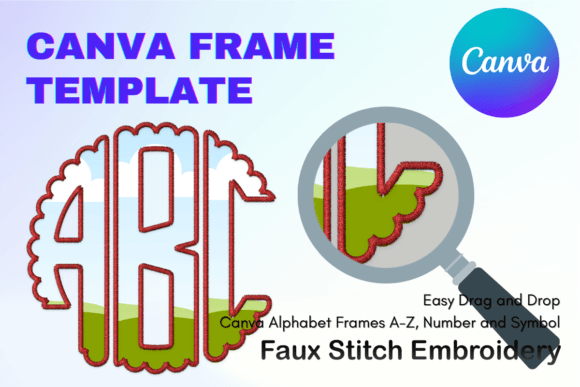
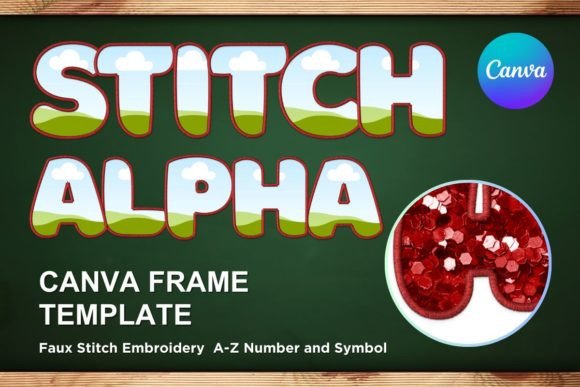
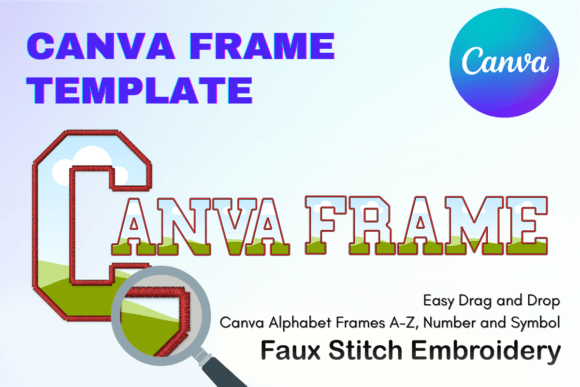
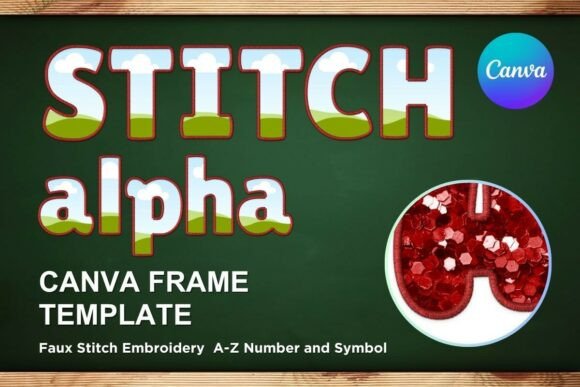
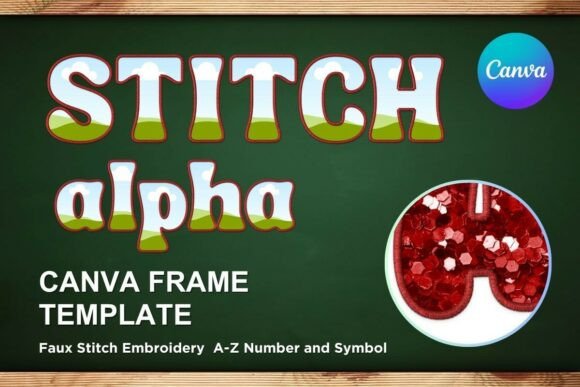
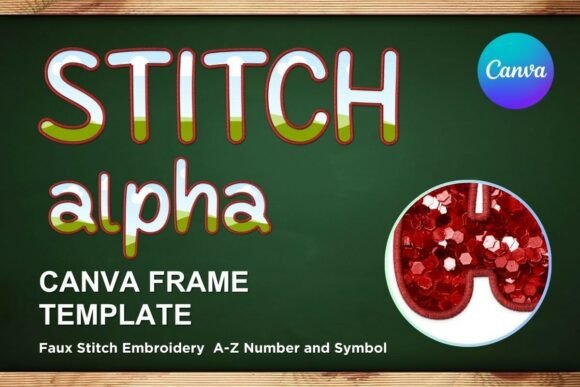
As an embroidery designer who spends countless hours digitizing patterns and testing stitch densities, I am always on the lookout for assets that can streamline my workflow while maintaining a high-end aesthetic. When preparing for the upcoming holiday rush, efficiency is just as important as creativity. This is why I decided to take a close look at Faux Embroidery Canva Frame Letters_35. It is not a traditional machine embroidery file in the sense of .dst or .pes formats, but rather a digital graphic asset designed for use within Canva. For those of us selling handmade goods, this distinction is crucial. The product description confirms that you will receive one PDF file containing a link to custom-made Canva frame templates with a 12x12 inch paper size. While it is marketed under the umbrella of Creative Fabrica embroidery concepts, understanding its true nature as a Graphics product type allows us to leverage it in ways that traditional files cannot.
First Impressions: Seasonal Mood and Visual Appeal
The first thing that strikes me about Faux Embroidery Canva Frame Letters_35 is its ability to mimic the texture and charm of real stitching without the physical limitations of thread. In the world of holiday decor, the "faux" effect often reads as more polished and consistent than actual machine work, especially when viewed from a distance in online listings. The design carries a mood that is simultaneously cozy and elegant. It feels festive without being overly cluttered, making it versatile enough for various seasonal themes, from rustic Christmas gatherings to modern winter celebrations.
The emotional tone of the letters suggests warmth and nostalgia. For a small business owner, this is invaluable. When a customer scrolls through Etsy or browses a craft fair booth, they are looking for connection. The clean lines of the frame combined with the textured appearance of the letters create a visual recognition that signals quality. It feels premium, which helps elevate the perceived value of the final product. Whether you are aiming for a cute, playful vibe for baby items or a sophisticated look for home decor, this design hits the right notes. It avoids the trap of looking cheap or generic, which is a common pitfall with many digital clipart assets.
Real-World Applications for Holiday Sellers
So, how does this translate to actual sales? The primary strength of Faux Embroidery Canva Frame Letters_35 lies in its adaptability for marketing and quick-turnaround products. As an Etsy seller, time is money. Creating realistic mockups for sweatshirt embroidery, tote bag designs, or kitchen towel embroidery can be time-consuming if you are photographing every single item. With this Canva template, you can easily drag and drop your text into the frame to create stunning printable mockup images for your listings.
Imagine creating a limited edition apparel line for the holidays. You can design the layout in Canva, visualize how the text sits on a garment, and generate multiple color variations instantly. This is perfect for planning matching family items or personalized gifts before you even cut the fabric. Furthermore, these graphics are excellent for social media previews. During the busy holiday shopping periods, engagement is key. High-quality visuals that mimic the tactile feel of embroidery stop the scroll. They allow customers to imagine the texture of the finished product without needing a physical sample in hand.
For craft fair displays, having printed versions of these frames on signage or gift tags can add a cohesive brand identity. If you are selling physical embroidered patches or pillow covers, you can use the Canva design to create packaging inserts or thank-you cards that match your branding perfectly. It bridges the gap between digital planning and physical production, ensuring that your brand consistency is maintained across all touchpoints.
Ideal Product Pairings
- Sweatshirt Embroidery: Use the design to plan chest logos or back prints. The frame provides a clear boundary that helps balance the composition on larger garments.
- Kitchen Towel Embroidery: Create mockups showing the design centered on white or linen towels. The faux texture looks particularly good against natural fabrics.
- Pillow Covers: Visualize how the letters interact with different fabric textures, such as velvet or fleece, to attract buyers looking for home decor.
- Tote Bag Design: Test placement on canvas bags. The 12x12 inch template gives you ample space to experiment with sizing and alignment.
- Gift Bundles: Combine the design with other elements to create digital gift guides or printable gift tags that enhance the unboxing experience.
Where to Exercise Caution
While Faux Embroidery Canva Frame Letters_35 is a powerful tool, there are specific scenarios where it should be used carefully. Because it is a graphic representation and not a physical stitch pattern, it lacks the depth and dimensionality of real thread. If you are selling high-end, luxury items where the tactile quality is the main selling point, relying solely on a faux image might lead to customer dissatisfaction if the physical product does not match the visual promise. Therefore, transparency is essential. Clearly label whether you are selling a digital mockup, a print-on-demand item, or a physically embroidered piece.
Additionally, consider the scale. When designing for small hoop sizes or tiny lettering, the details of the faux texture might get lost or appear pixelated if not rendered at a high resolution. Ensure that your final exports are crisp. Also, be mindful of dark fabrics. Faux embroidery effects often rely on contrast to read well; on dark backgrounds, you may need to adjust the shadow and highlight settings in Canva to maintain the illusion of raised thread.
Another area of caution is stretchy garments or curved caps. A flat graphic template does not account for the distortion that occurs on curved surfaces. If you plan to use this design for caps, you must manually adjust the perspective in your design software to simulate how the letters would wrap around the curve. Ignoring this can make the product look unrealistic in your marketing materials.
Practical Designer Notes for Implementation
To get the most out of this asset, I recommend following a few practical steps. First, always test your thread colors on light and dark fabric samples if you are transitioning from the digital design to physical embroidery. The colors on screen may differ slightly from the actual yarn. Second, check the stitch density if you decide to digitize a similar design later. Understanding how dense stitches behave helps you appreciate why the faux version looks so smooth—it has no risk of puckering.
When using the Canva template, confirm the hoop size constraints of your intended physical products. Even though the template is 12x12 inches, your actual embroidery machine may have smaller limits. Use the graphic to scale down appropriately. Always use proper stabilizer when moving to physical production to ensure the fabric remains taut and the design stays sharp. Create realistic mockups by placing the design on high-quality photos of your base products. Review small details after stitching any test runs to ensure the integrity of the design.
Finally, review the Creative Fabrica product details and licensing terms thoroughly before selling finished seasonal products. While the graphic is easy to use, understanding the commercial rights ensures you can sell your items with confidence. By integrating Faux Embroidery Canva Frame Letters_35 into your workflow, you can enhance your seasonal appeal, boost buyer emotion through professional visuals, and ultimately drive more sales during the critical holiday window. It is a smart, practical addition to any small shop product lineup that values both aesthetics and efficiency.